
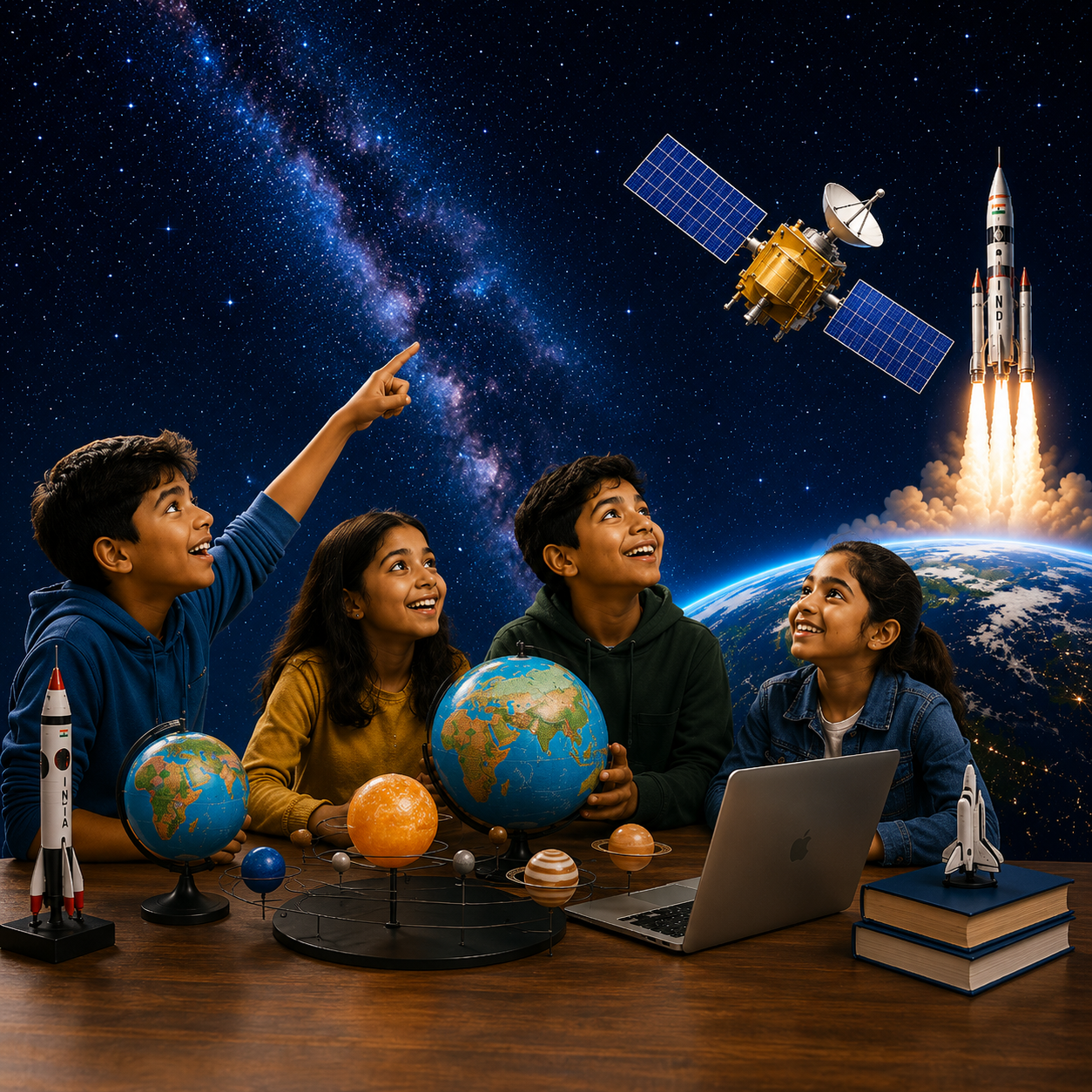
Launch Your Journey Into the World of Satellites

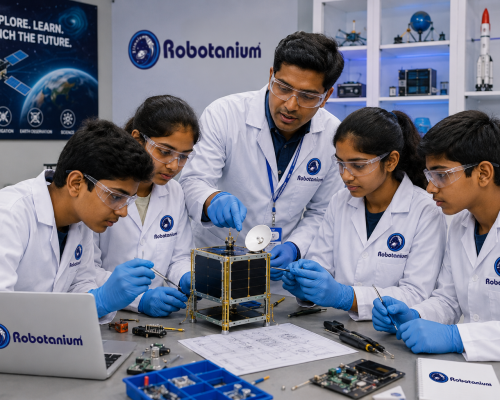
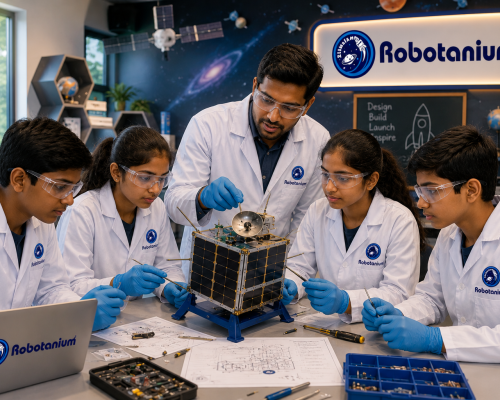
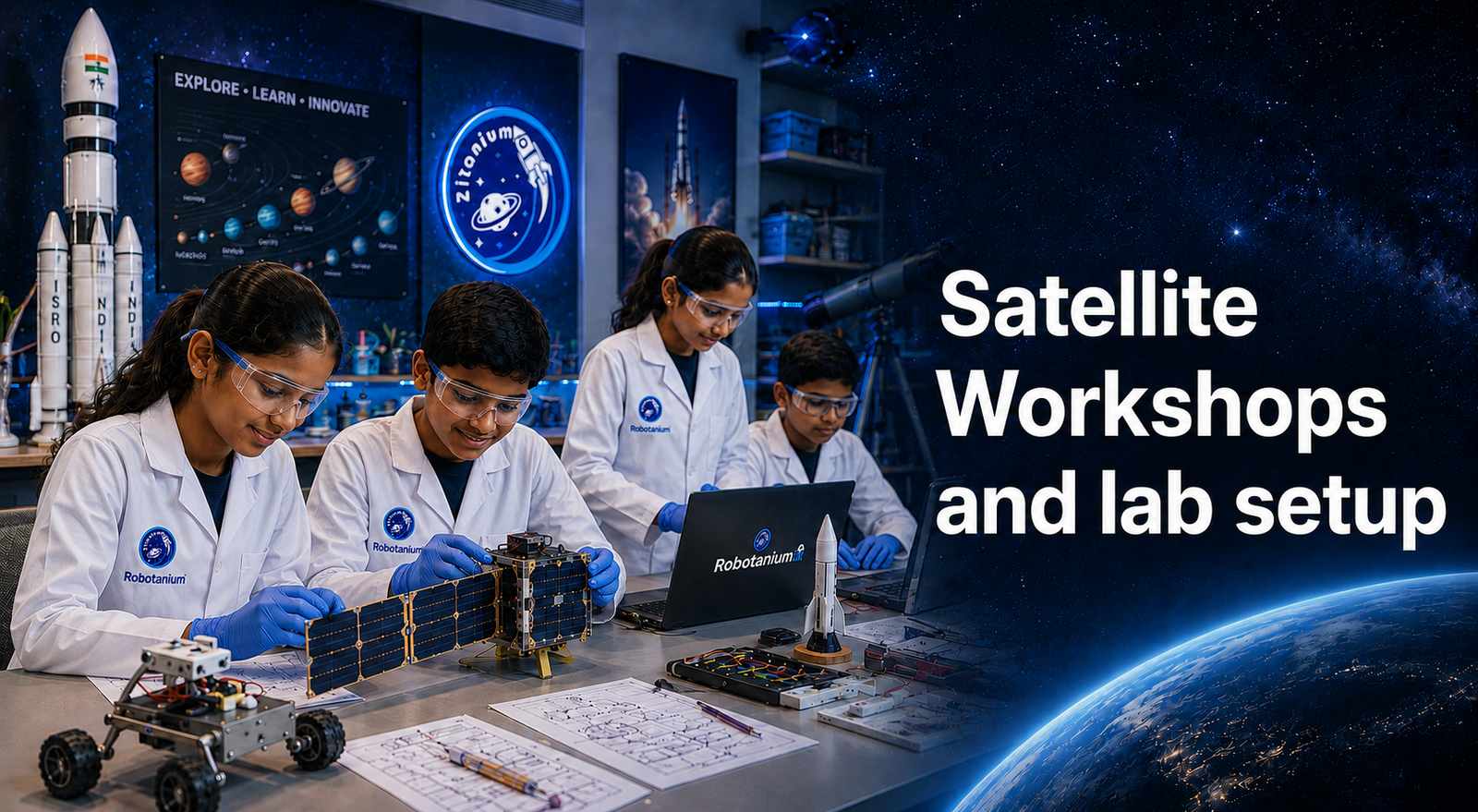
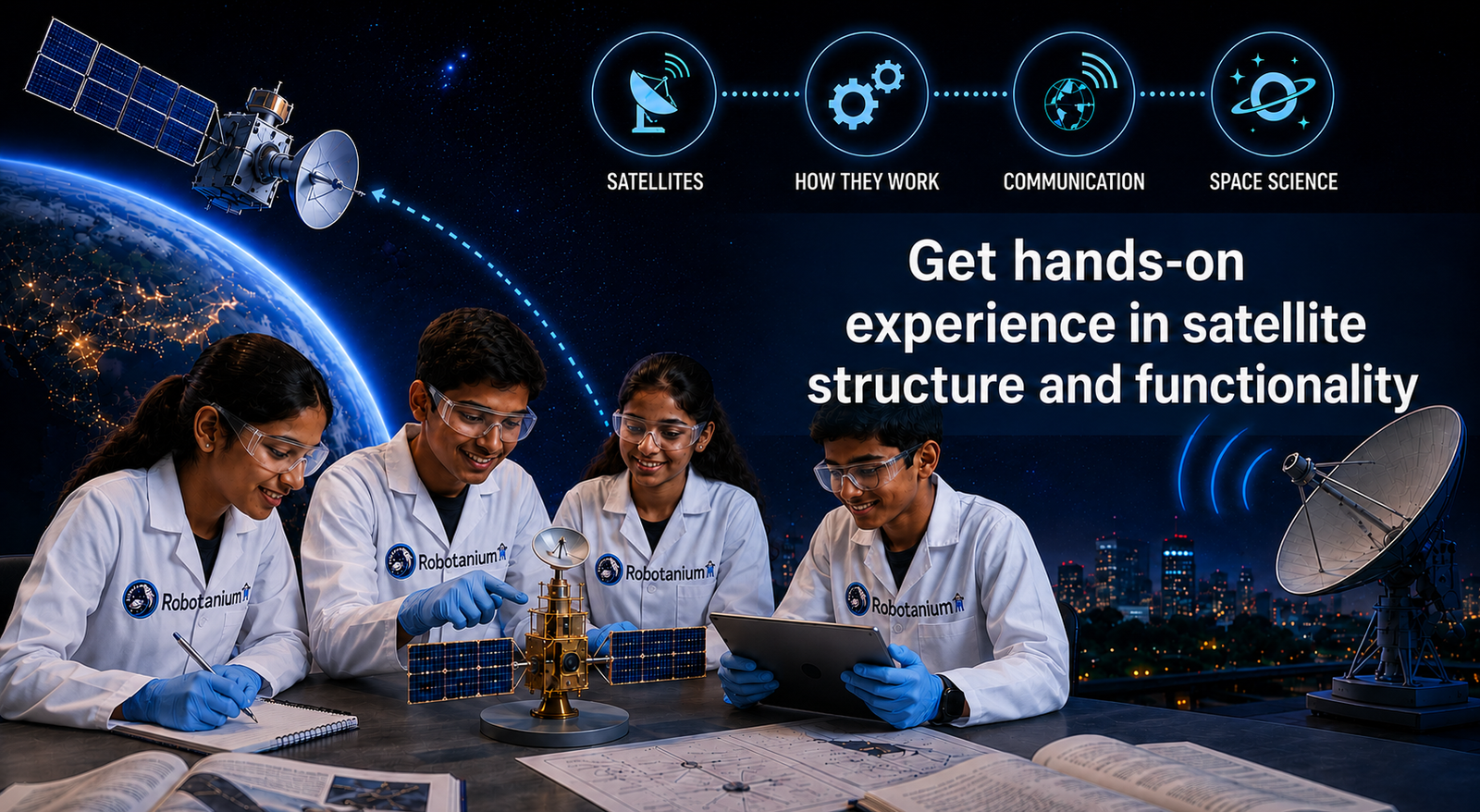
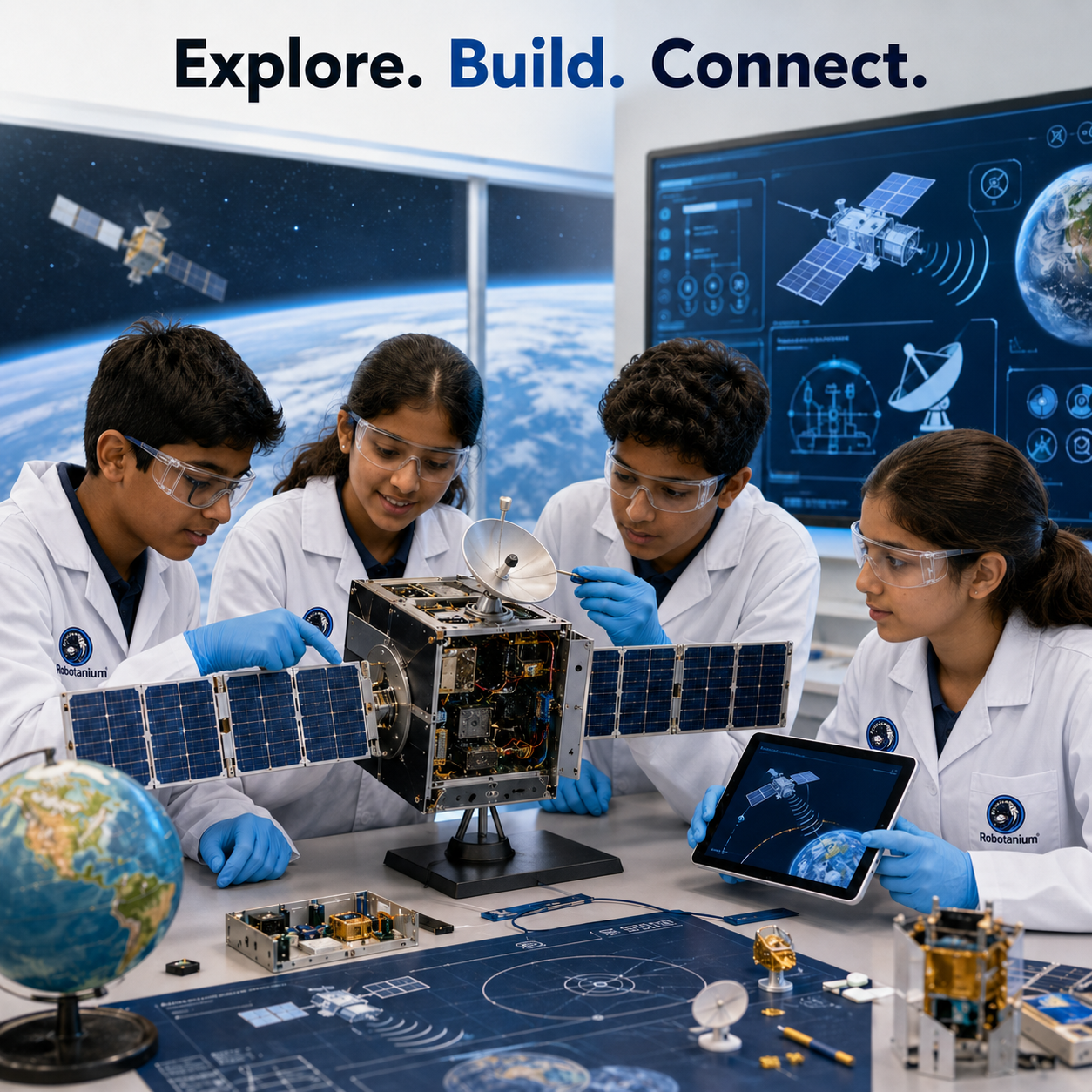
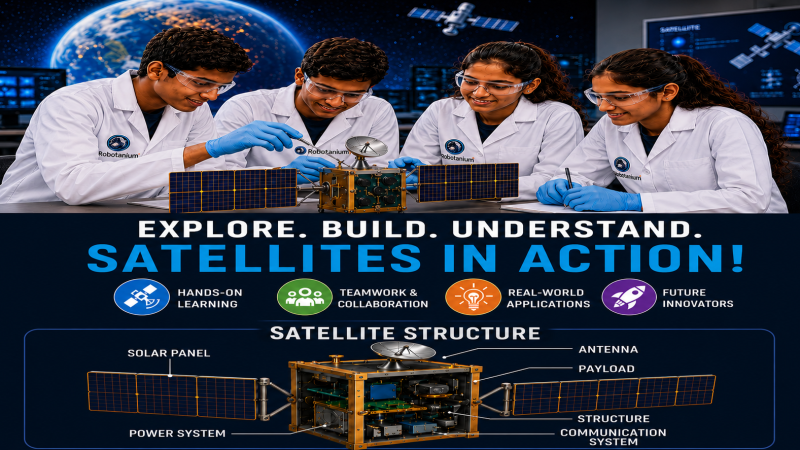
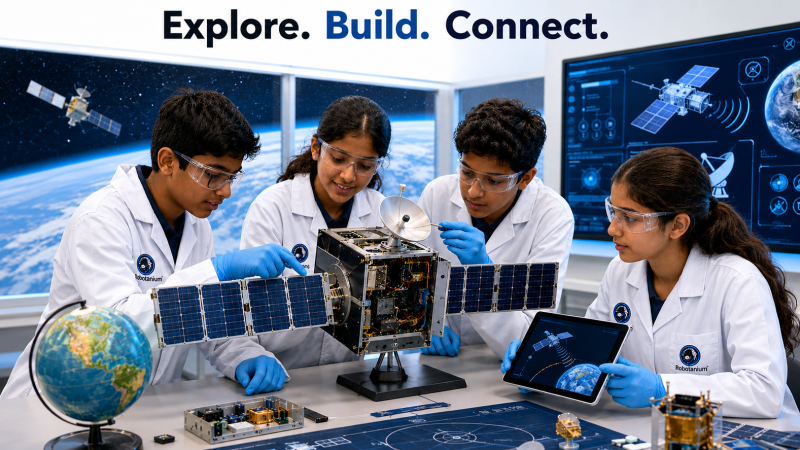
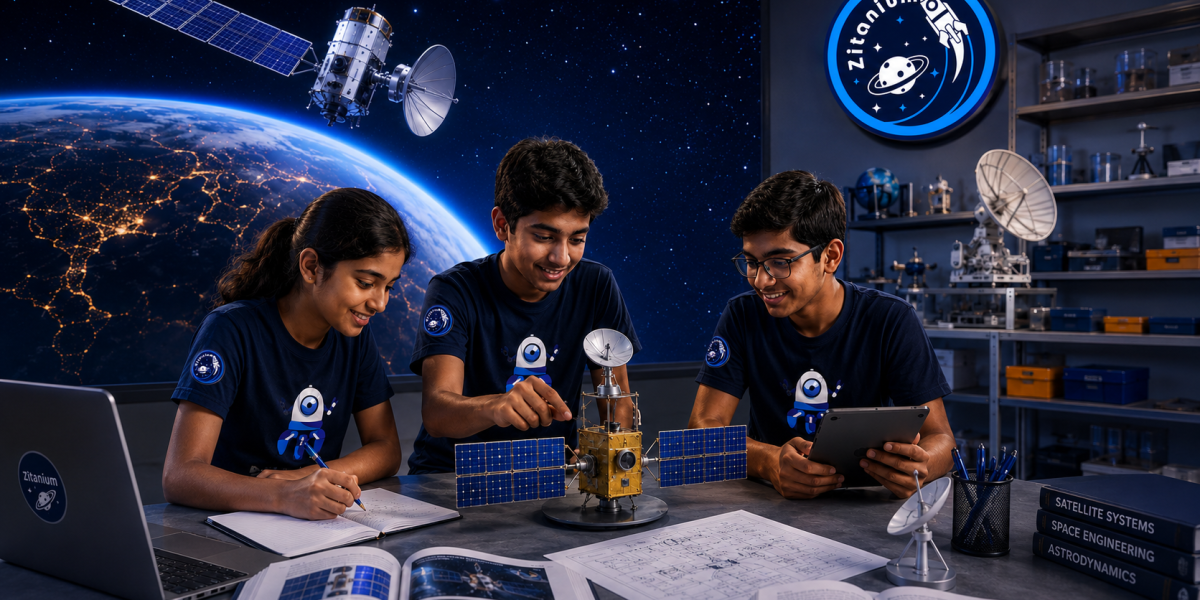
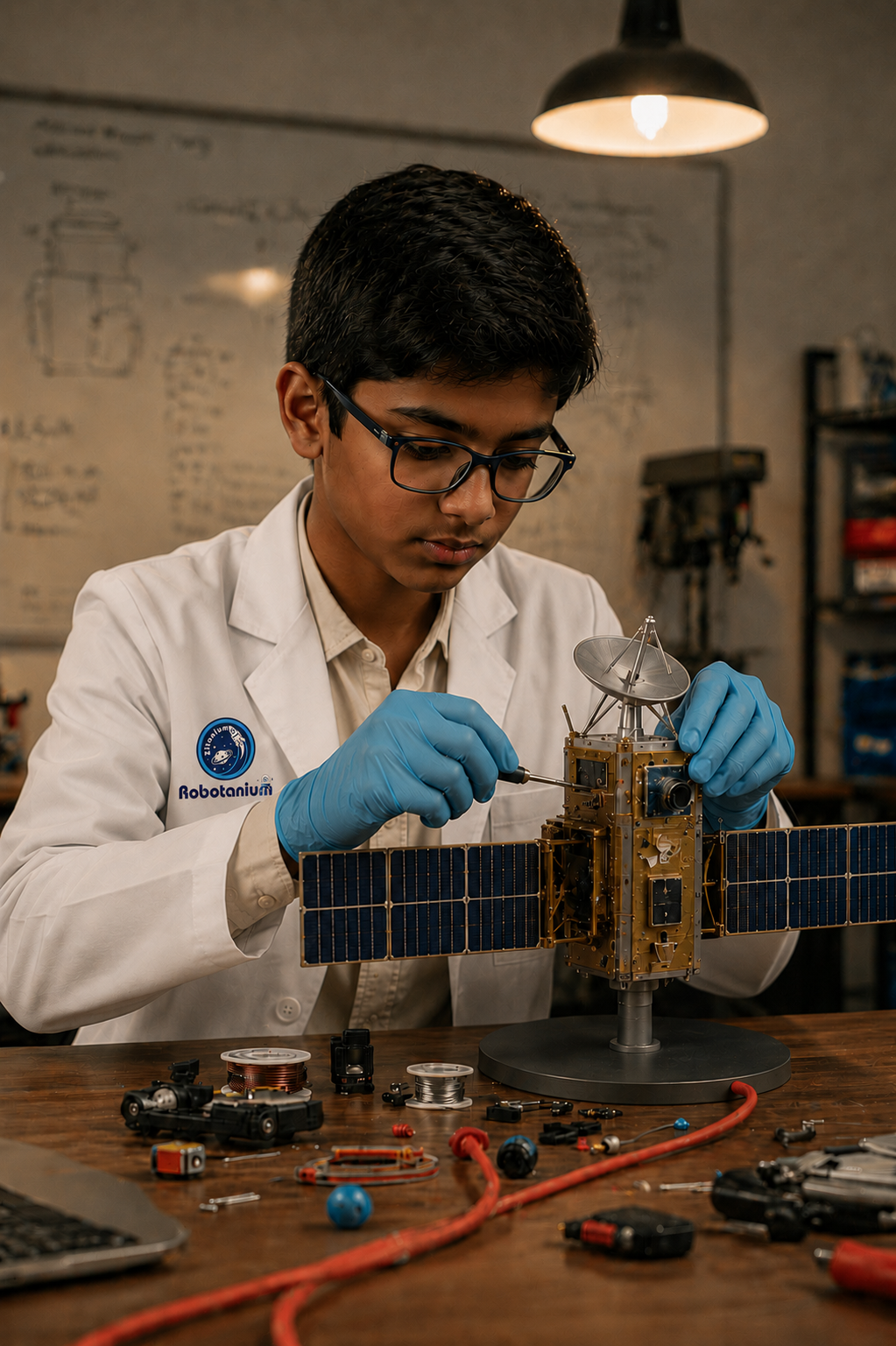
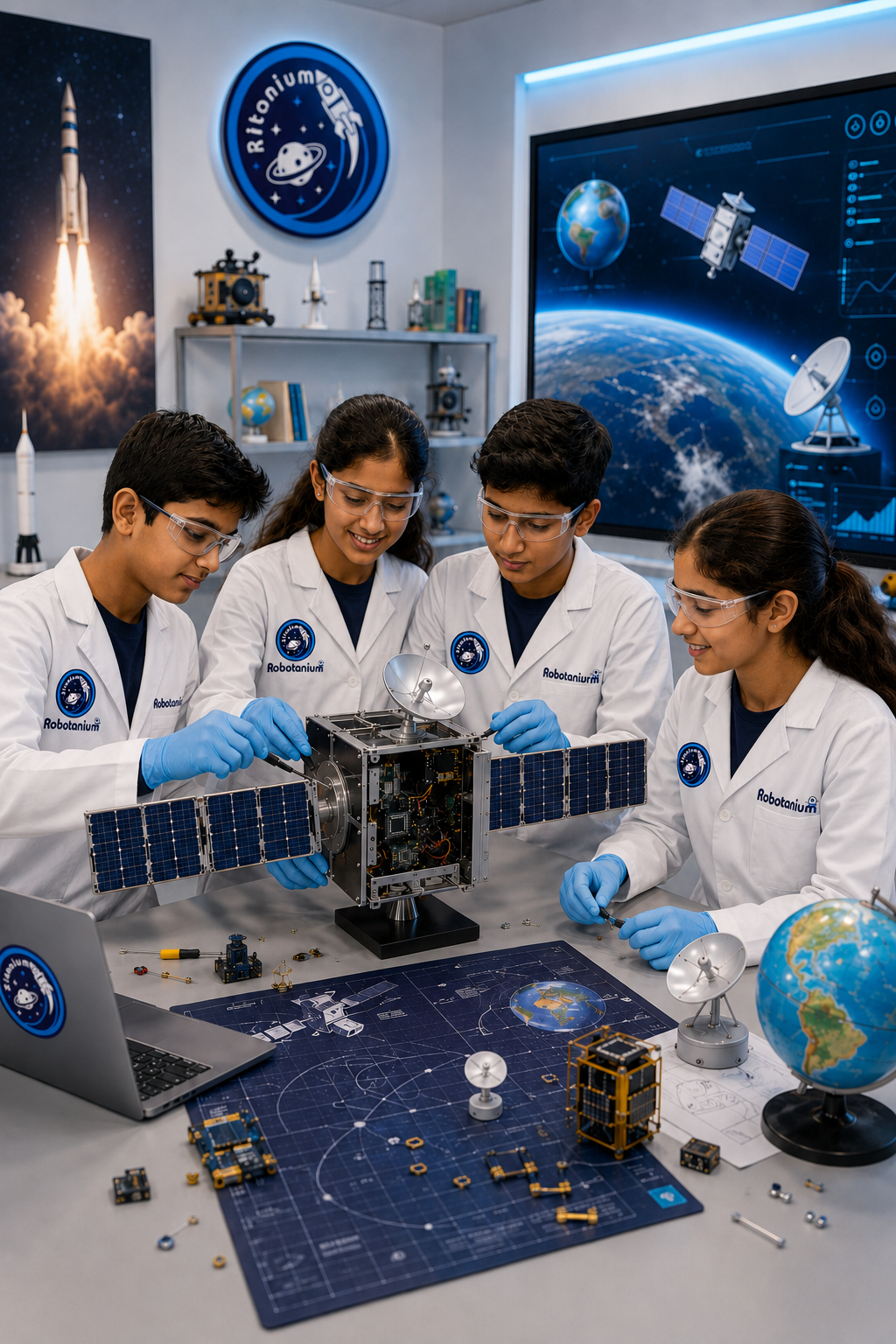
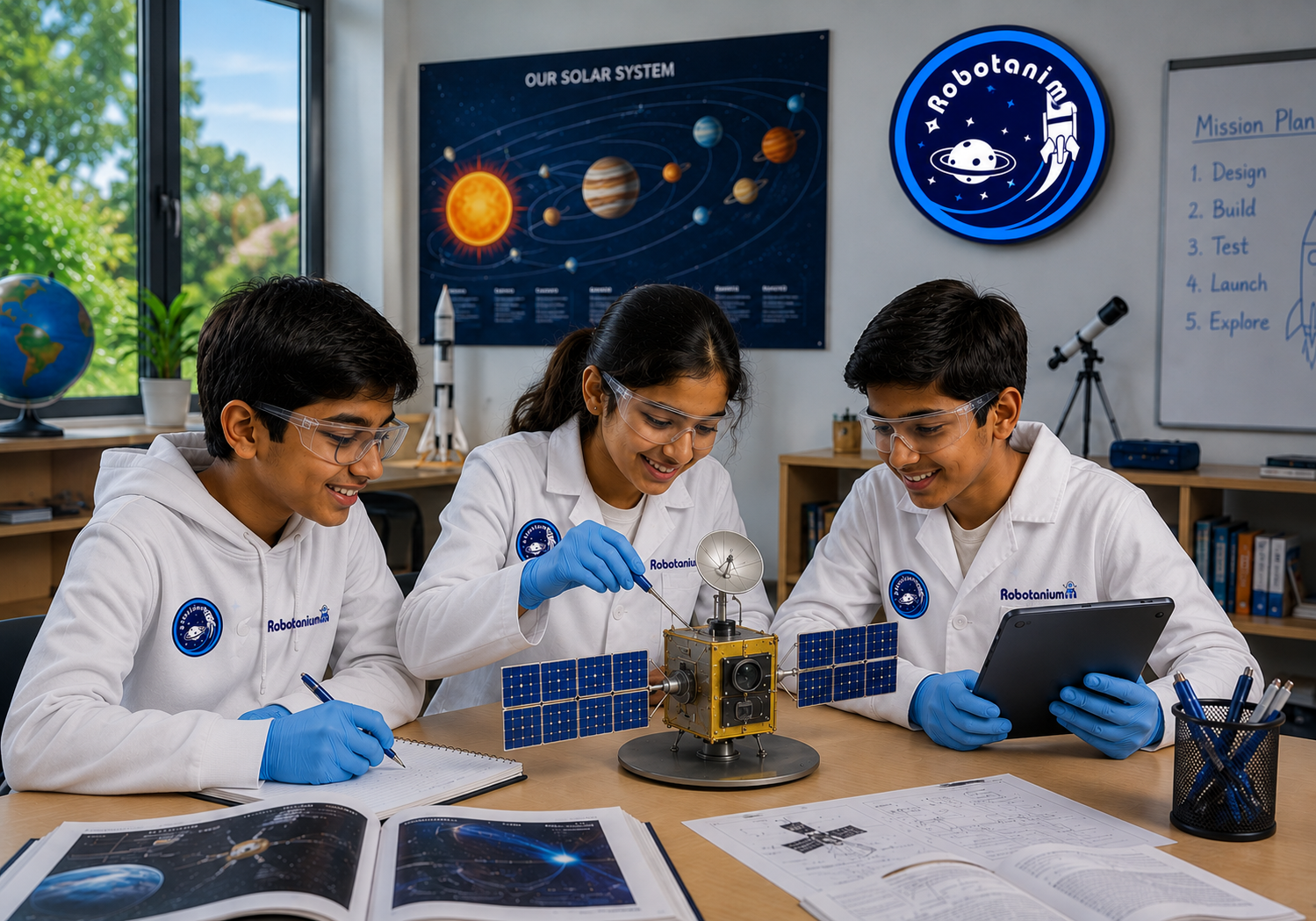
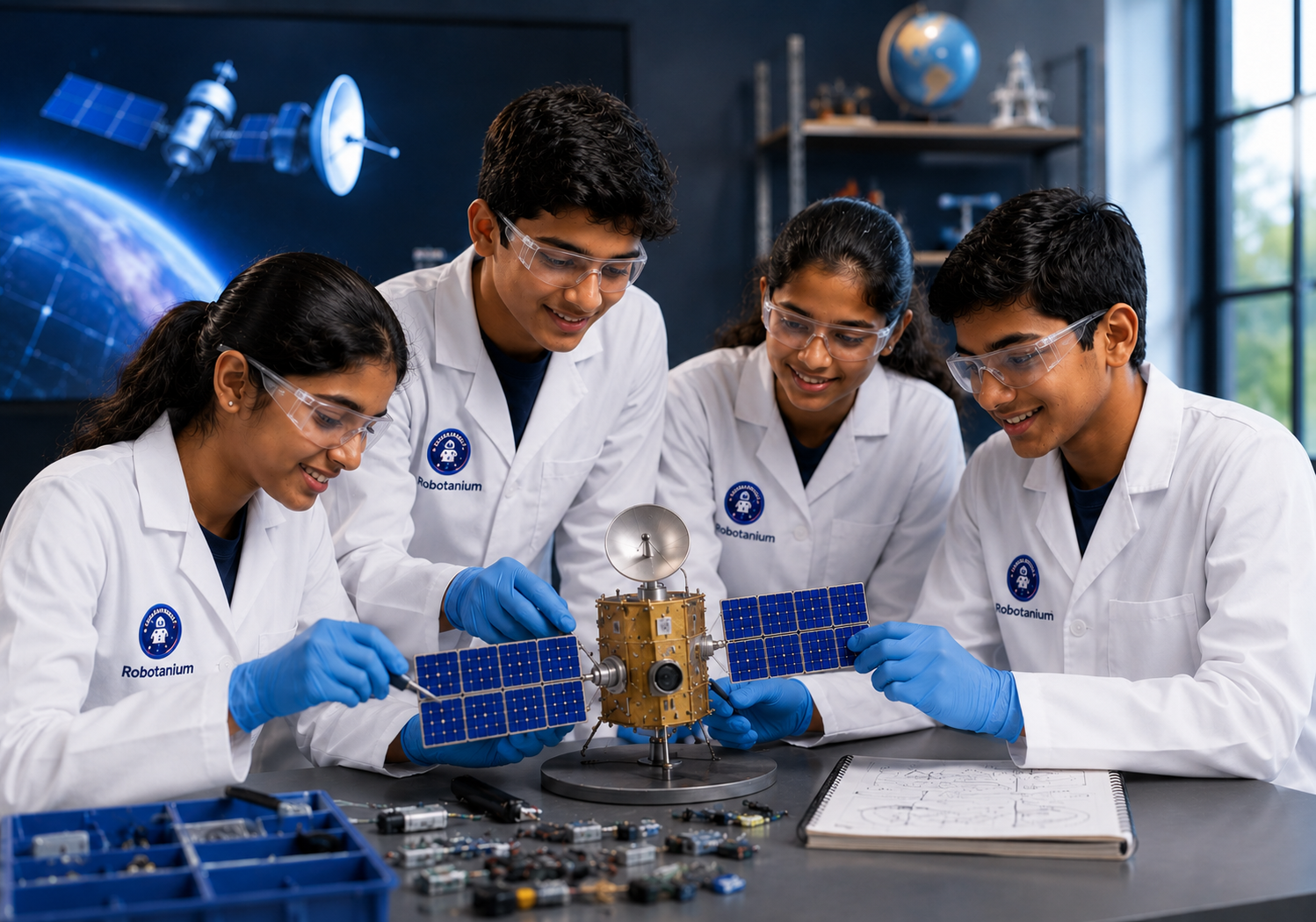
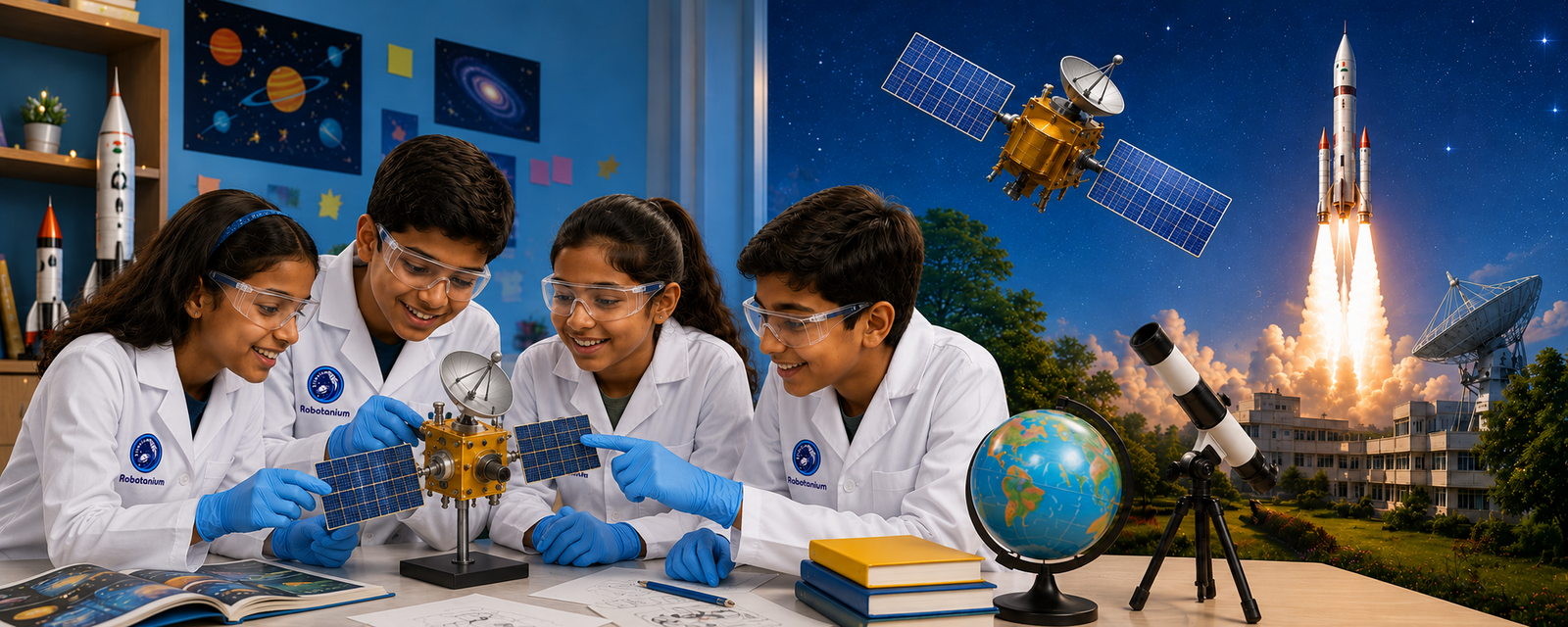
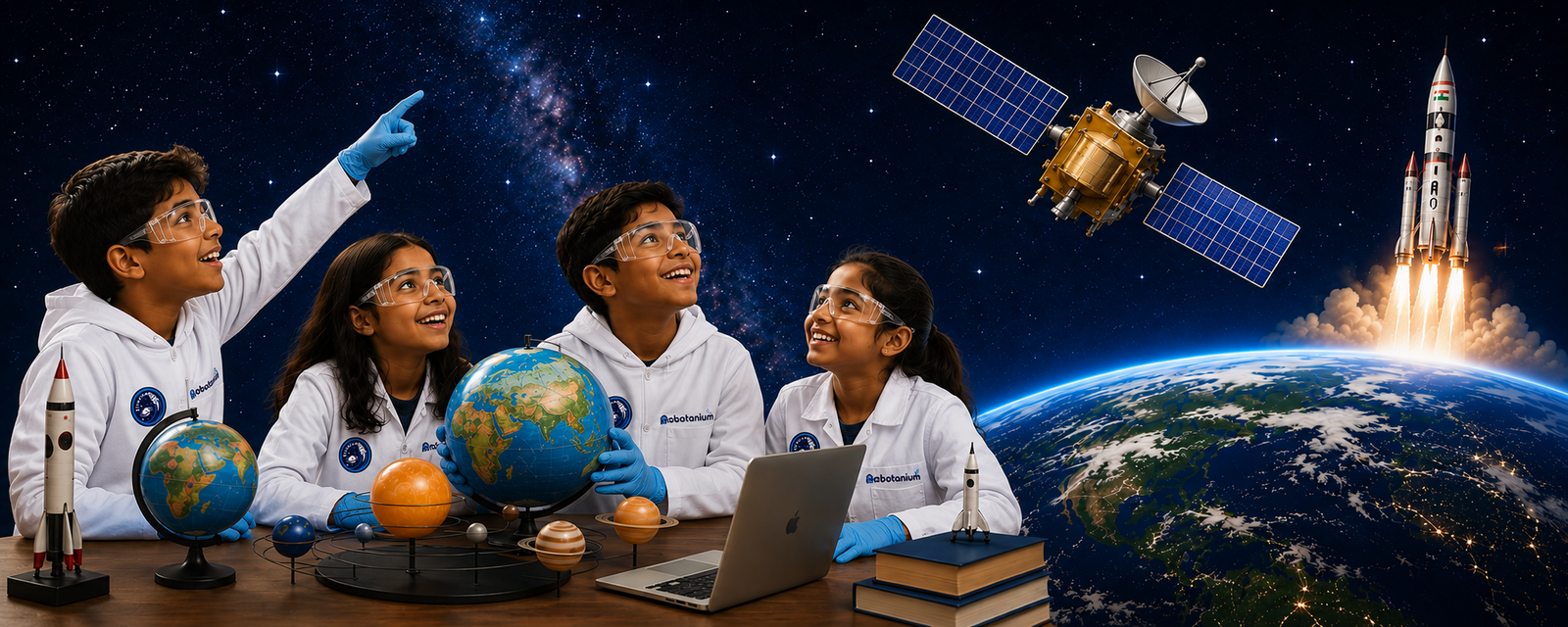
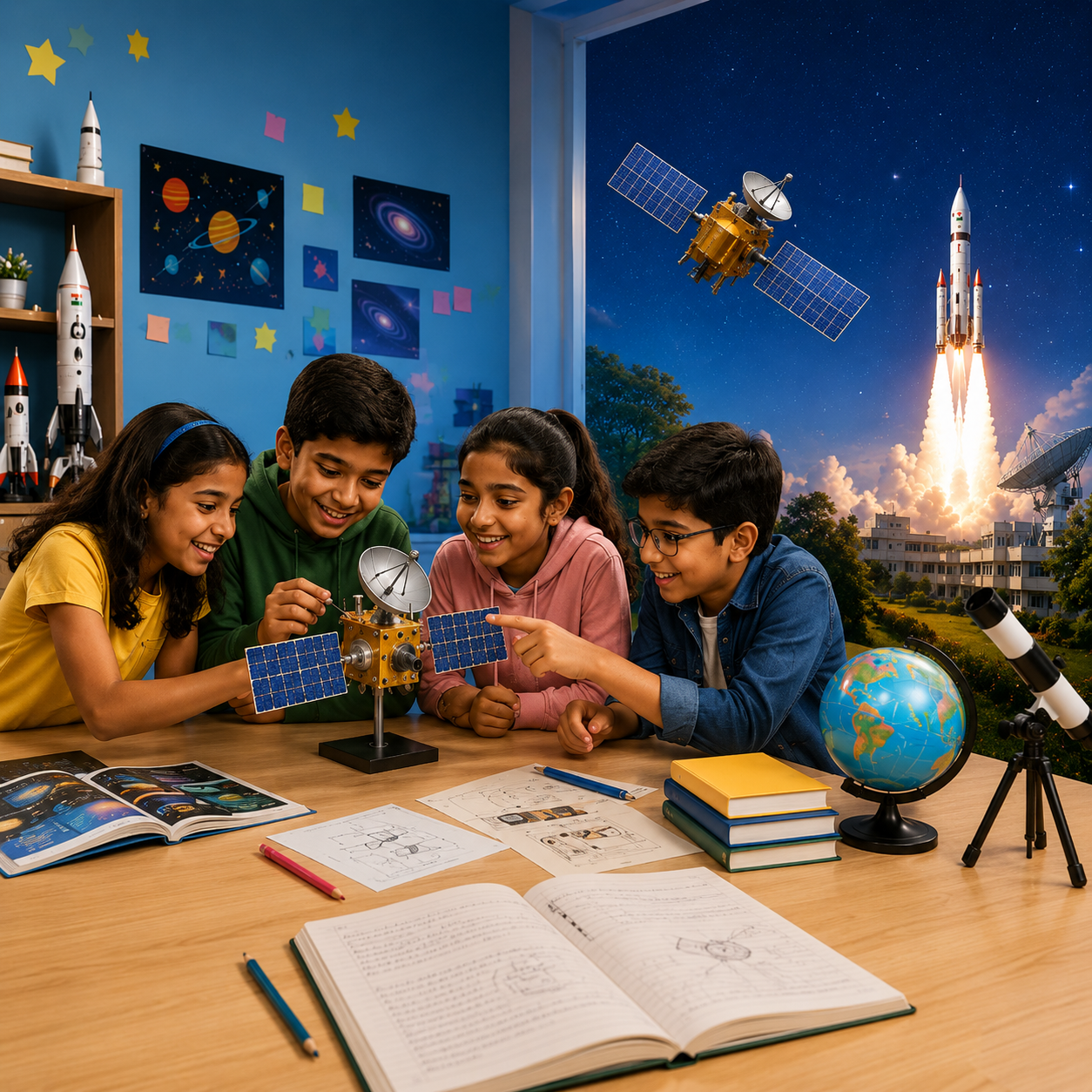
Step into the exciting universe of space technology with Robotanium’s immersive Satellite Workshop Program. Designed to inspire young innovators and future scientists, this hands-on workshop introduces students to the fascinating world of satellites, communication systems, navigation technology, and real-world space applications.

From understanding how satellites orbit Earth to building and exploring working satellite models, students gain practical experience through interactive learning, teamwork, and innovation-driven activities. With a perfect blend of theory, experimentation, and creativity, this workshop sparks curiosity and empowers students to explore the future of space science and technology.

Every Part Earns Its Place in Orbit.

Click through the anatomy of a rocket — from nose cone to nozzle — and see exactly what it takes to leave the ground.

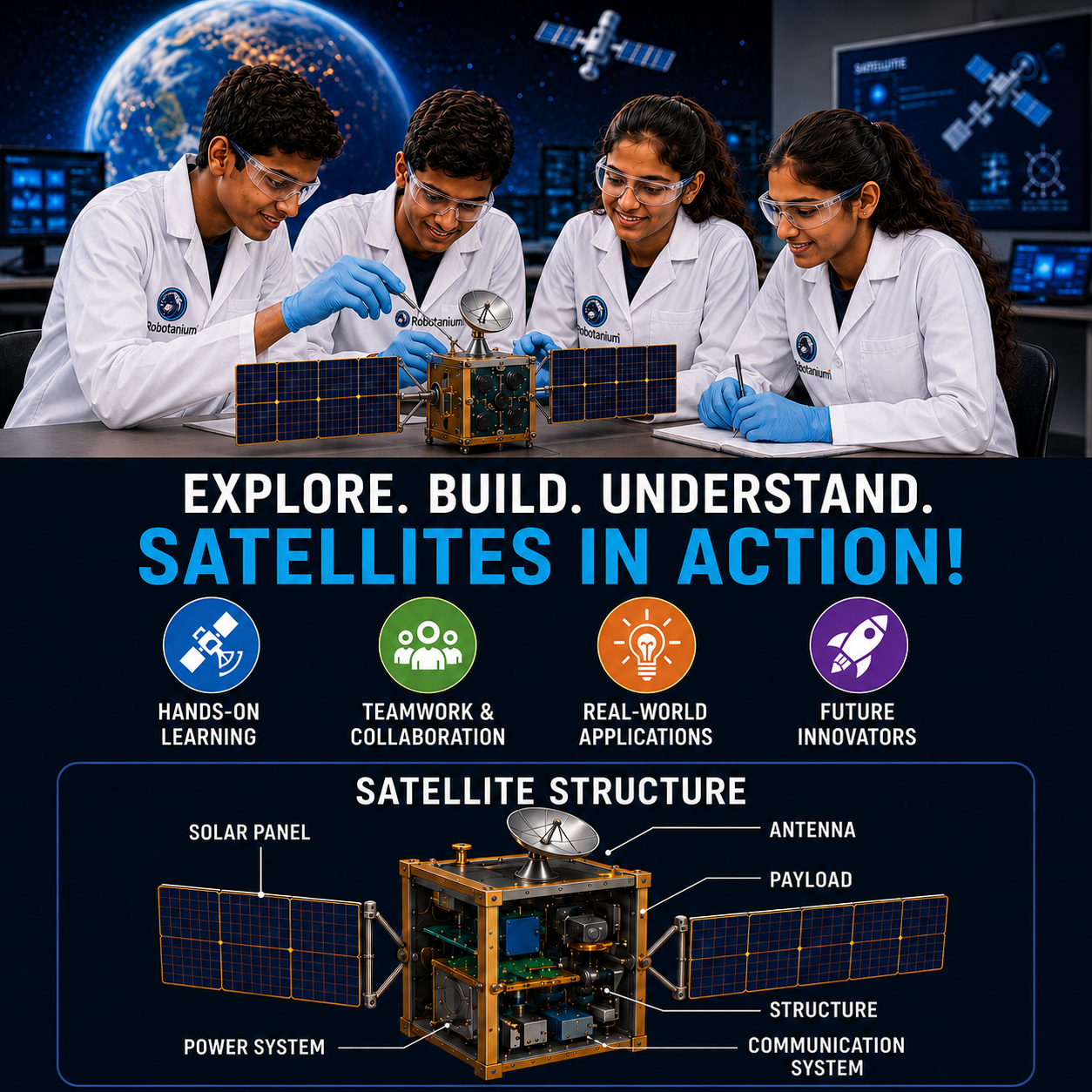
Satellite // Component Index
Click any part to inspect
SOLAR ARRAY BUS BATTERY ANTENNA STAR TRACKER PAYLOAD THRUSTERS
NO COMPONENT SELECTED
— click any highlighted part —

Comprehensive Satellite Workshop Curriculum

Topics Covered:

PRACTICAL SESSION (HANDS-ON LEARNING)

1. STUDENT ARRANGEMENT & GROUPING:

  • Students divided into teams of 6–8 per kit
  • Each team assigned:
    • 1 Satellite Kit
    • 1 Project Objective

2. ACTIVITIES:

  • Model assembly and demonstration
  • Understanding satellite component
  • Interactive explanation of working principles

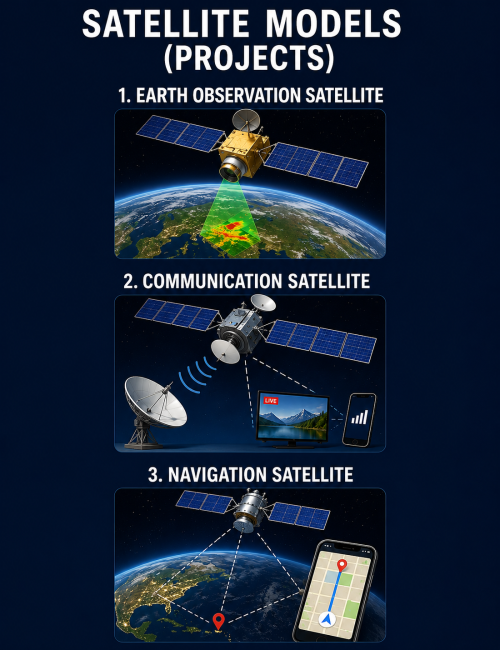
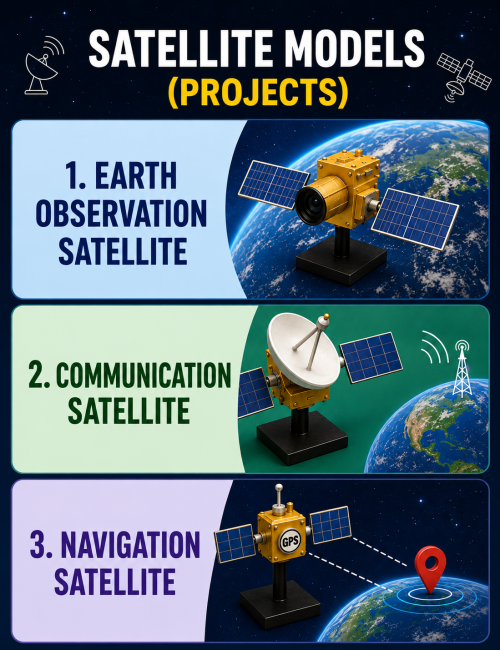
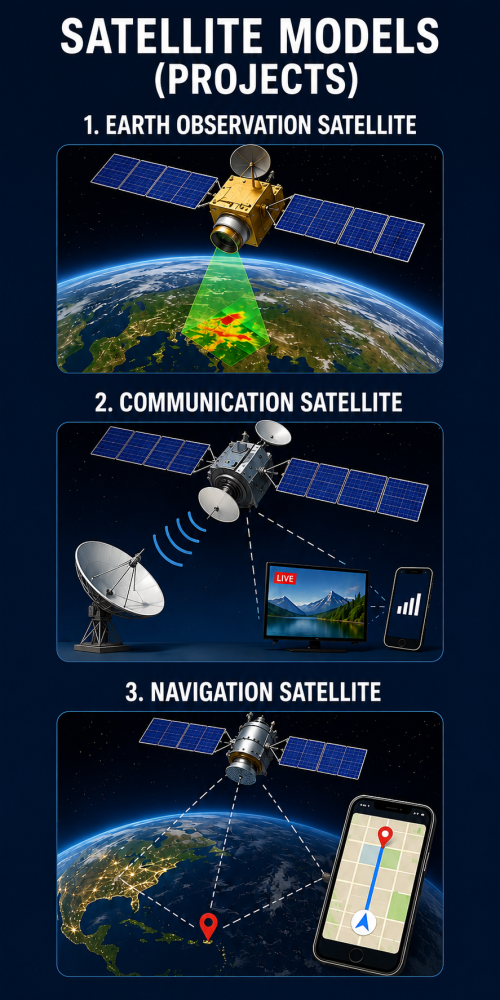
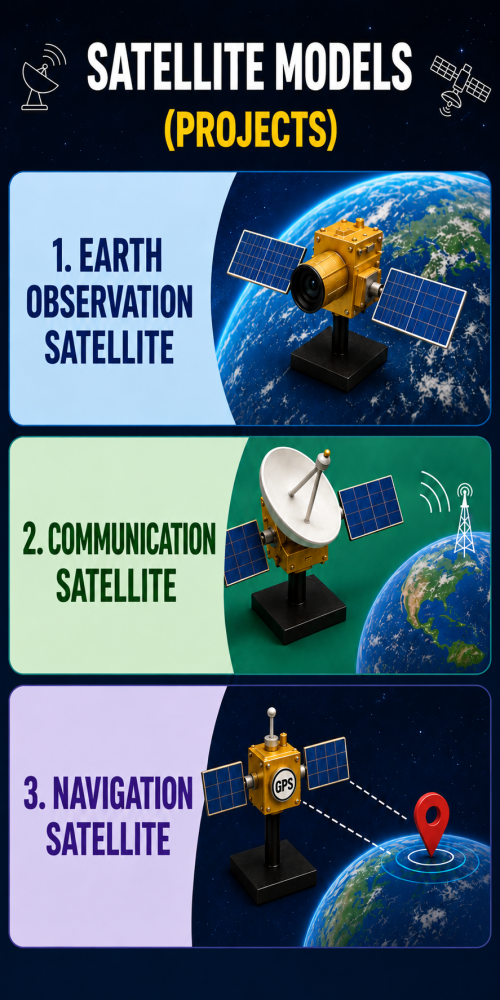
Build the Future: Satellite Models in Action (PROJECTS)

1. EARTH OBSERVATION SATELLITE 

  • CONCEPT OF REMOTE SENSING
  • MONITORING EARTH’S SURFACE
  • APPLICATIONS:
    • AGRICULTURE
    •  ENVIRONMENT
    • DISASTER MANAGEMENT

2. COMMUNICATION SATELLITE 

  • SIGNAL TRANSMISSION AND RECEPTION
  • BROADCASTING SYSTEMS (TV, MOBILE NETWORKS)
  • ANTENNA AND RELAY CONCEPTS

3. NAVIGATION SATELLITE 

  • GPS AND POSITIONING SYSTEM
  • LOCATION TRACKING PRINCIPLES
  • REAL-LIFE NAVIGATION APPLICATIONS

DEMONSTRATION, INTERACTION AND CERTIFICATION

SATELLITE TESTING

1. Functionality check
2. Sensor response testing
3. Performance validation

EVALUATION CRITERIA

1. Basic understanding of concepts
2. Participation and engagement

CERTIFICATION

1.Certificate of Participation for all students
2. Recognition of skills and completion

AWARDS & RECOGNITION

1.Best Performing Team
2. Innovation Award
3. Fastest Robot Award

Why Choose Robotanium?

Hands-On Learning Approach

Students actively build, experiment, and explore concepts through practical activities instead of only theoretical learning.

Advanced Technology Exposure

Students gain practical exposure to robotics, satellites, coding, AI, electronics, IoT, and space technologies in an easy-to-understand format.

Certification & Recognition

Participants receive certificates and opportunities to showcase their creativity, teamwork, and technical skills through competitions and project demonstrations.

Expert Mentorship

Learn from experienced trainers who simplify complex space science concepts into easy and student-friendly learning experiences.

Hands-On STEM Learning

Students learn by building, experimenting, and exploring real satellite models through practical activities and live demonstrations.

Safe & Student-Friendly Environment

We provide a supportive and engaging atmosphere where students can learn, experiment, and innovate with confidence.

ISRO & Space Science Awareness

Students explore India’s space achievements, satellite missions, and the future of space technology through inspiring learning sessions.

Team-Based Learning Experience

Students collaborate in groups, improving teamwork, leadership, communication, and problem-solving skills.

Innovation & Creativity Focus

We encourage students to think creatively, solve real-world problems, and develop innovative ideas through project-based learning.

LEARNING OUTCOMES

Students will:

  • Understand how satellites work
  • Learn about different types of satellites
  • Gain knowledge of space technology applications
  • Develop curiosity towards space science and ISRO missions

Satellite Learning Pathway

From understanding how satellites work to designing and building advanced space systems, students progress through a structured aerospace learning journey that develops STEM, engineering, and space technology skills.

1. Beginner Level

Skills Gained

Understand how satellites operate and support communication, navigation, and Earth observation.

Intermediate Level

Skills Gained

Design and assemble working satellite models while learning core aerospace engineering principles.

Advanced Level

Skills Gained

Apply advanced aerospace concepts to create innovative satellite missions and space technology projects.

Student Projects Showcase

Student Projects Showcase

Discover innovative satellite projects built by students during Robotanium Satellite Workshops. Each project develops space science knowledge, engineering skills, and hands-on problem-solving through real-world satellite applications.

CanSat Mission Project

Students design and assemble a miniature satellite (CanSat) capable of collecting environmental data while learning the fundamentals of satellite systems and space technology.

Skills Learned:

Satellite design

Sensor integration

Data collection

System testing

Earth Observation Satellite

Students build a satellite model equipped with imaging and sensing concepts to understand how satellites monitor weather, agriculture, forests, and natural resources from space.

Skills Learned:

Remote sensing

Payload concepts

Image analysis

Data interpretation

Satellite Communication

Students create a working model demonstrating how satellites transmit and receive signals, introducing the principles of wireless communication and global connectivity.

Skills Learned:

Signal transmission

Communication systems

Antenna fundamentals

Space technology basics

Inside Our Satellite Innovation Lab

A Future-Ready Space Technology Environment Where Students Design, Build, Test, and Explore Real Satellite Systems Through Hands-On Learning.

Satellite Assembly & Integration Zone

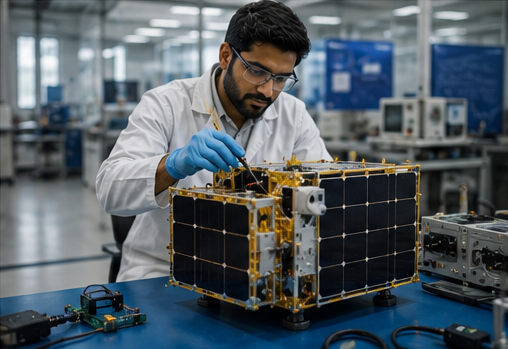
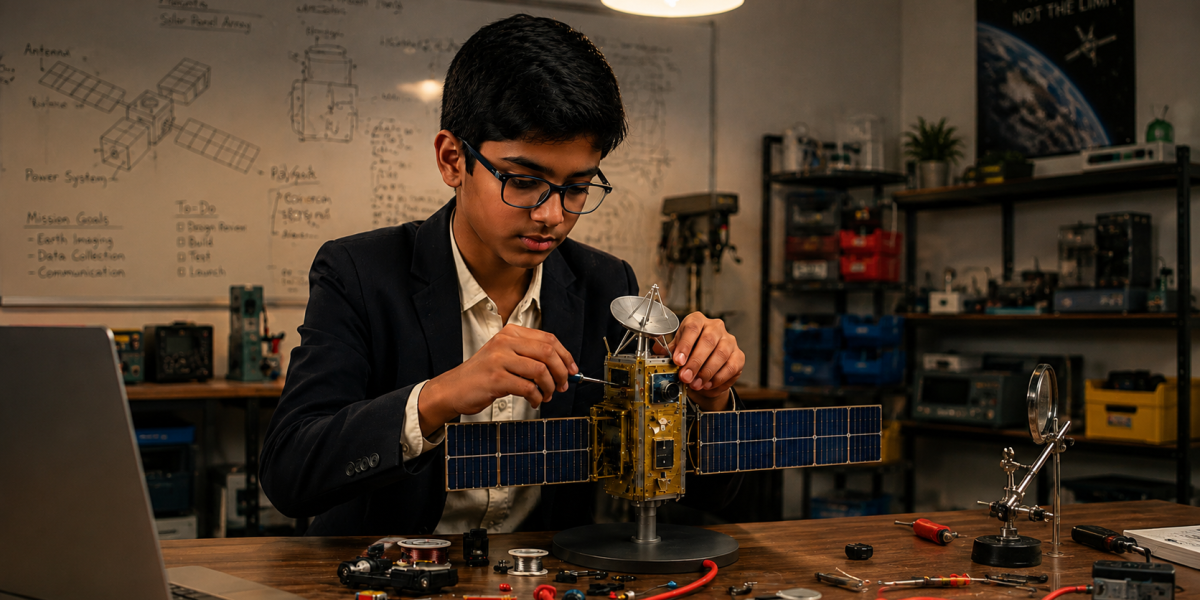
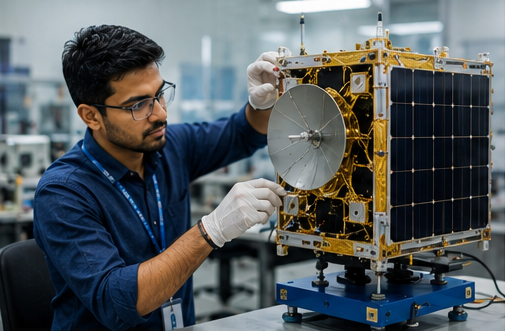
A dedicated workspace where students learn satellite construction by assembling CubeSat models, integrating components, and understanding satellite structures, sensors, and onboard systems.

Satellite Electronics & Programming Lab

A technology-driven environment where students explore satellite electronics, microcontrollers, sensors, and programming concepts used in real space missions.

Mission Control & Data Analysis Center

An immersive simulation space where students experience satellite operations by monitoring data, analyzing telemetry, and understanding how ground stations communicate with satellites.

Space Innovation & Research Studio

A creative learning zone where students transform ideas into space technology projects through research, experimentation, teamwork, and engineering challenges.

Future Careers in Satellite & Space Technologies

The skills students develop through satellite design, space science, electronics, programming, and systems engineering can open doors to exciting careers in the rapidly growing space industry.

Photo 1
Design, develop, test, and operate satellites used for communication, navigation, Earth observation, and scientific research.
Satellite Systems Engineer
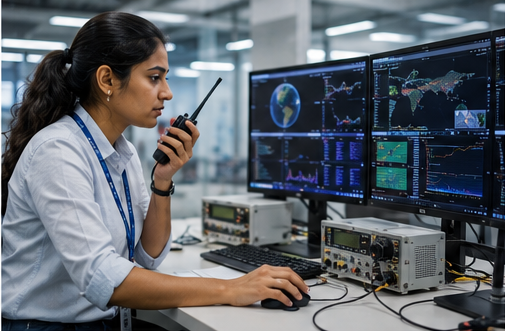
Photo 2
Build and maintain communication systems that enable satellites to transmit data, television, internet, and navigation signals worldwide.
Satellite Communication Engineer
Photo 3
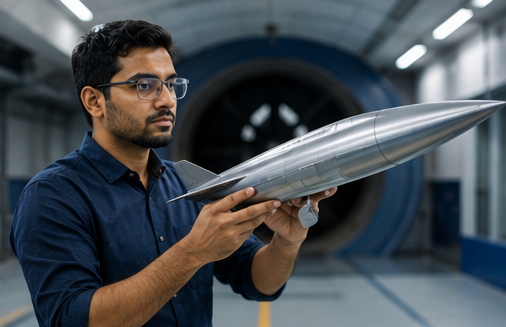
Design and develop advanced aircraft, spacecraft, launch systems, and space technologies for exploration and commercial applications.
Aerospace Engineerr
Photo 4
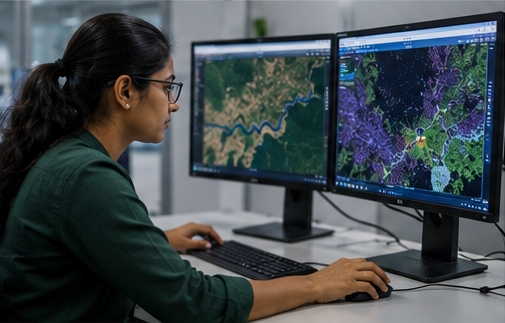
Analyze satellite imagery and Earth observation data for applications in agriculture, disaster management, urban planning, and environmental monitoring.
Remote Sensing Specialist
Photo 5
Monitor and control satellites, ensuring successful launches, orbital operations, system health, and mission performance.
Mission Operations Engineer
Photo 6
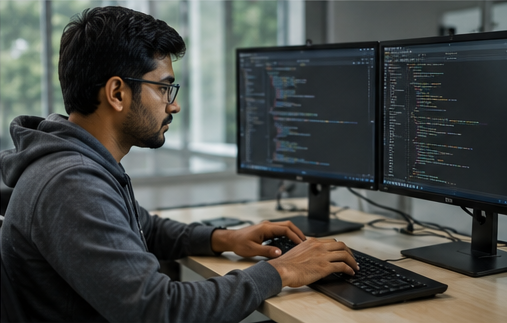
Develop software for satellite control systems, mission planning, onboard computers, and space data processing applications.
Space Software Engineer
Photo 7
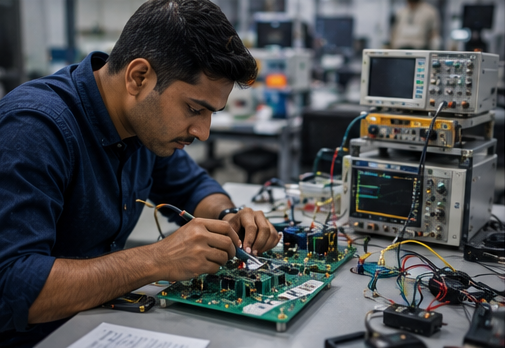
Design and integrate the electronic systems, sensors, navigation equipment, and control systems used in satellites and spacecraft.
Avionics Engineer
Photo 8
Transform satellite-generated data into valuable insights for weather forecasting, mapping, climate studies, defense, and scientific research.
Space Data Analyst
Photo 9
Work on cutting-edge space technologies involving satellite systems, communications, navigation, Earth observation, and future space missions.
Space Technology Specialist

Frequently Asked Questions

Can school students learn satellite technology?

Yes. Satellite technology can be taught through engaging, hands-on activities, model building, simulations, mission planning exercises, and communication experiments. Students gain a practical understanding of how satellites are designed, launched, and operated.  

Students typically build educational satellite models and participate in simulations that demonstrate real-world satellite engineering concepts. Advanced programs may also introduce CubeSat design principles and mission planning activities.

Robotanium Satellite Workshops are suitable for school students, college students, educators, and STEM enthusiasts. Programs are customized according to the participants’ age, knowledge level, and learning objectives.

No. Robotanium provides training, instructional resources, and ongoing support to help educators confidently conduct satellite learning activities and integrate them into classroom instruction.

Getting started is simple. Contact Robotanium to schedule a consultation or demonstration. Our experts will assess your requirements and recommend a customized satellite workshop or lab setup solution that best fits your educational goals.

Start Your Satellite Education Journey Today

Ready to Launch the Future?

Contact Robotanium today to schedule a demo and launch your Satellite Workshop & Lab Setup.