

Rocket Science: Launch Into the Future of Space Exploration
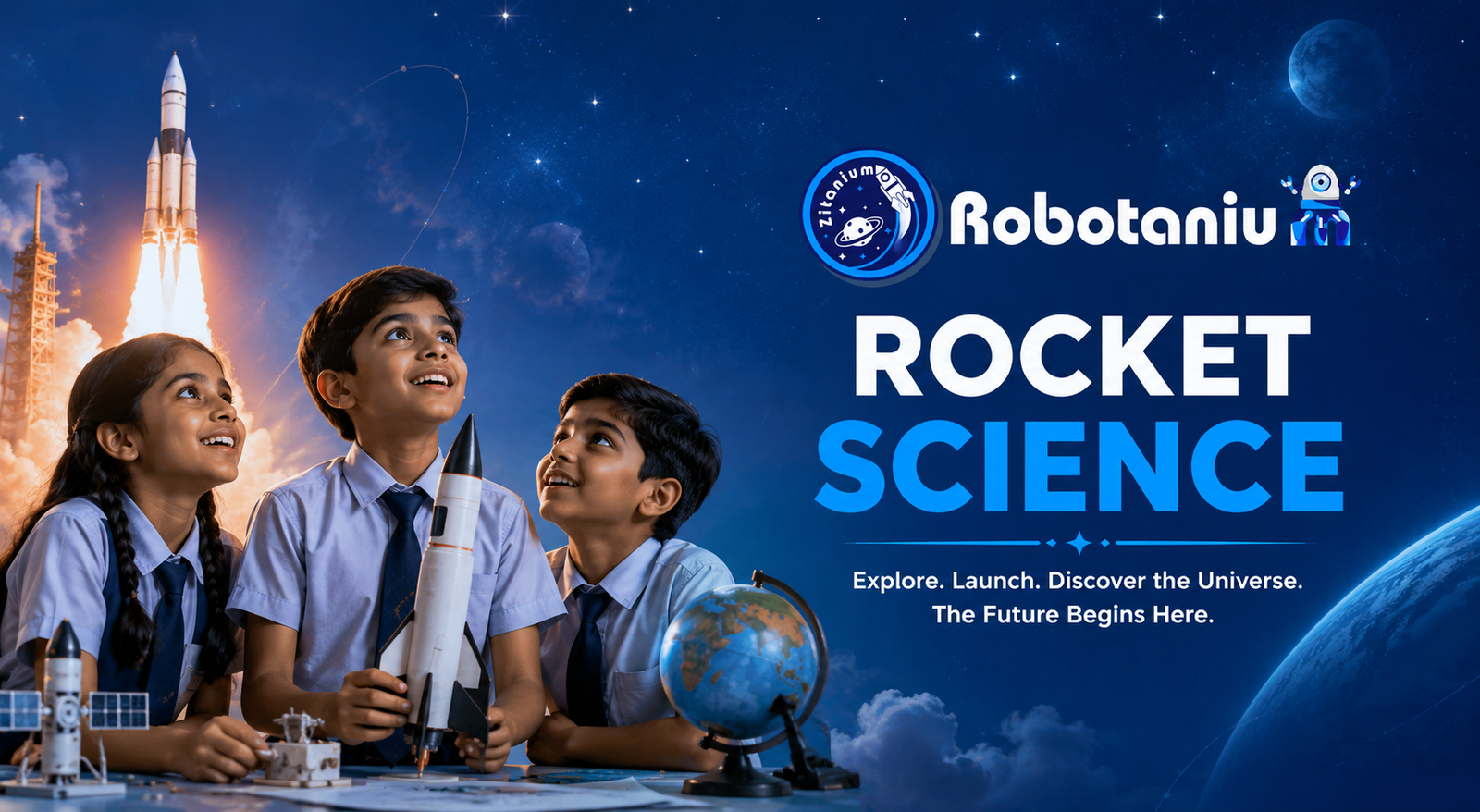
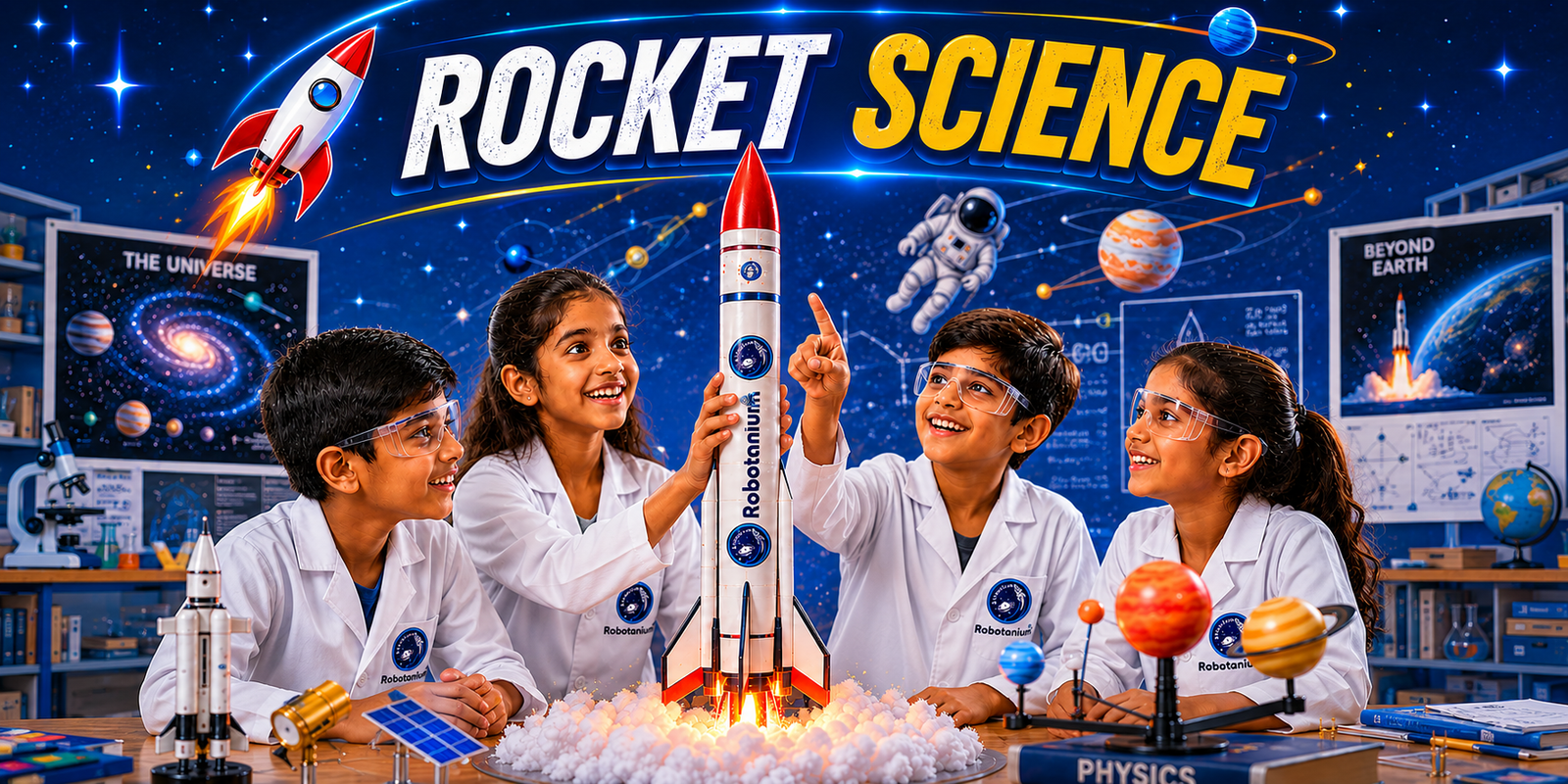
This Program Introduces Students To The Exciting Science Behind Rockets — How They Work, How They Launch, And Their Role In Space Exploration. Through Engaging Demonstrations And Models, Students Will Gain A Clear Understanding Of Rocket Technology Tailored To Their Class Level.
Rocket Science Encourages Students To Explore The Wonders Of Space, Innovation, And Modern Engineering Through Interactive Learning Experiences. The Program Combines Science, Technology, Creativity, And Problem-Solving Skills To Help Students Understand How Rockets Are Transforming Communication, Research, Defense, And Future Space Exploration Missions Around The World.


Rocket Science Program Overview
What Is A Rocket?
Students Will Learn What Rockets Are, How They Function, And Why They Are Essential For Space Exploration, Satellite Launches, Scientific Research, And Defense Applications. The Session Introduces The Basic Principles That Allow Rockets To Travel Beyond Earth’s Atmosphere.
Parts Of A Rocket
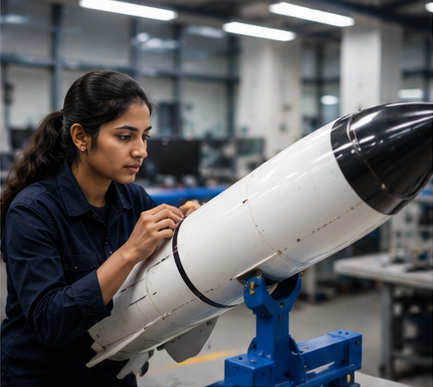
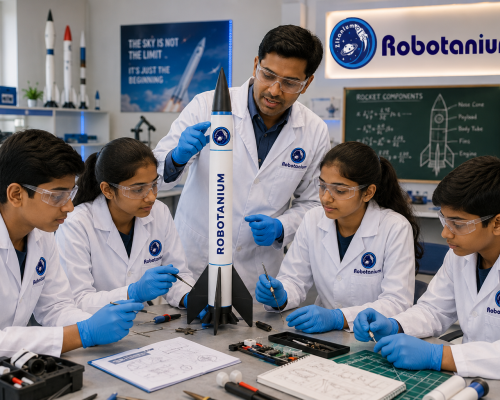
This Topic Explains The Main Components Of A Rocket, Including The Nose Cone, Fuel Tank, Engines, Fins, Payload Section, And Control Systems. Students Will Understand How Each Part Works Together To Ensure Stability, Direction, And Successful Flight.
How Rockets Fly
Students Will Explore The Fundamental Principles Of Rocket Flight, Including Newton’s Laws Of Motion, Lift-Off Mechanics, Acceleration, Gravity, And Aerodynamics. Simple Demonstrations Help Explain How Rockets Move Through The Air And Into Space.
Rocket Propulsion And Fuel
This Section Introduces The Science Of Propulsion — How Powerful Engines Generate Thrust To Push Rockets Forward. Students Will Discover Different Types Of Rocket Fuels, Combustion Processes, And How Fuel Efficiency Impacts Space Missions.
Types Of Rockets And Missions
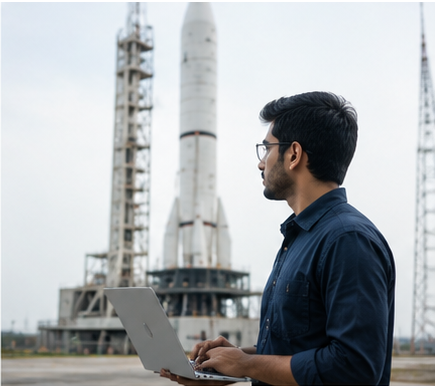
Students Will Learn About Different Rocket Categories Such As Sounding Rockets, Launch Vehicles, Space Shuttles, And Reusable Rockets. The Session Also Covers Real-World Missions Including Satellite Deployment, Space Exploration, Moon Missions, And Mars Research.
What Students Will Learn
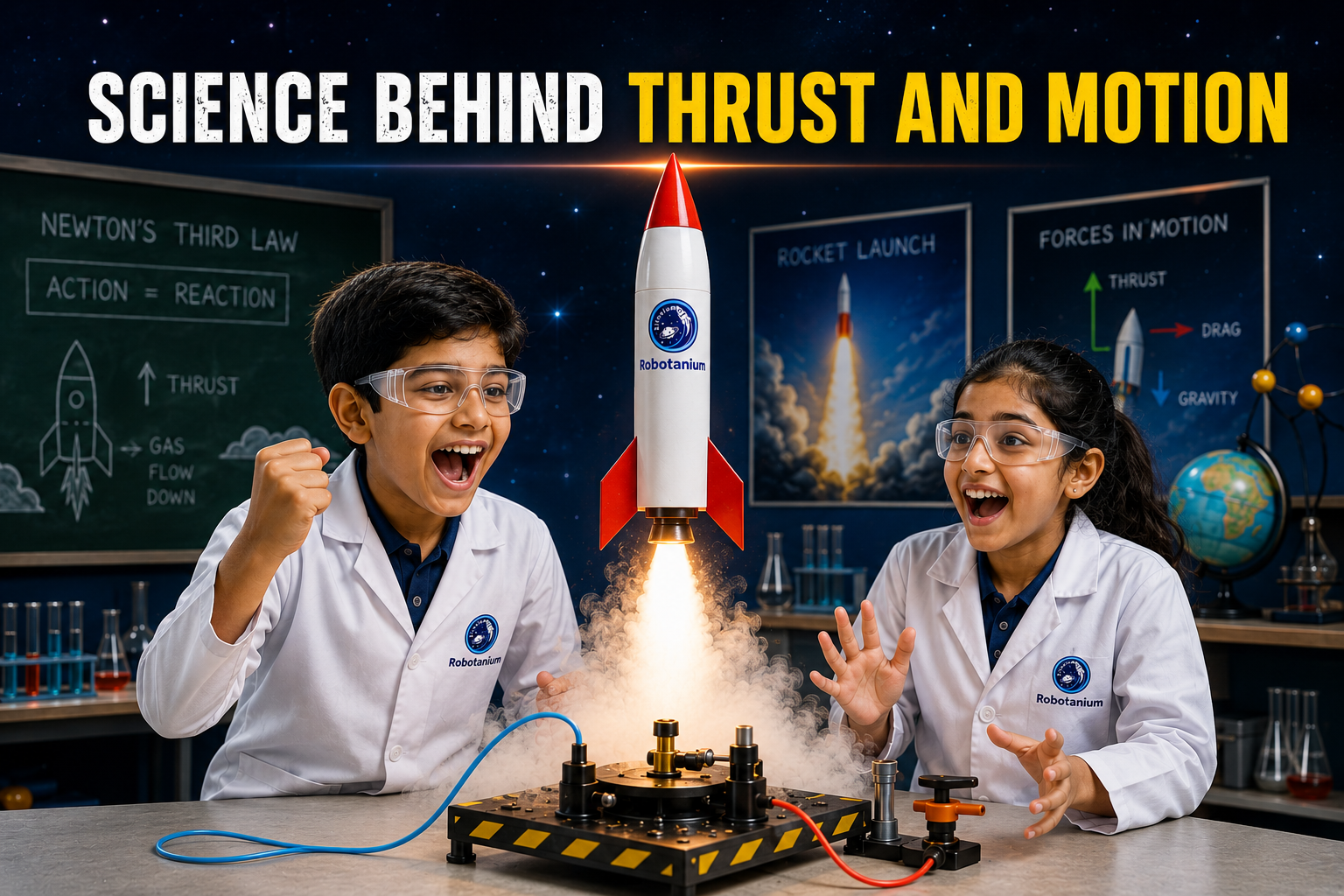
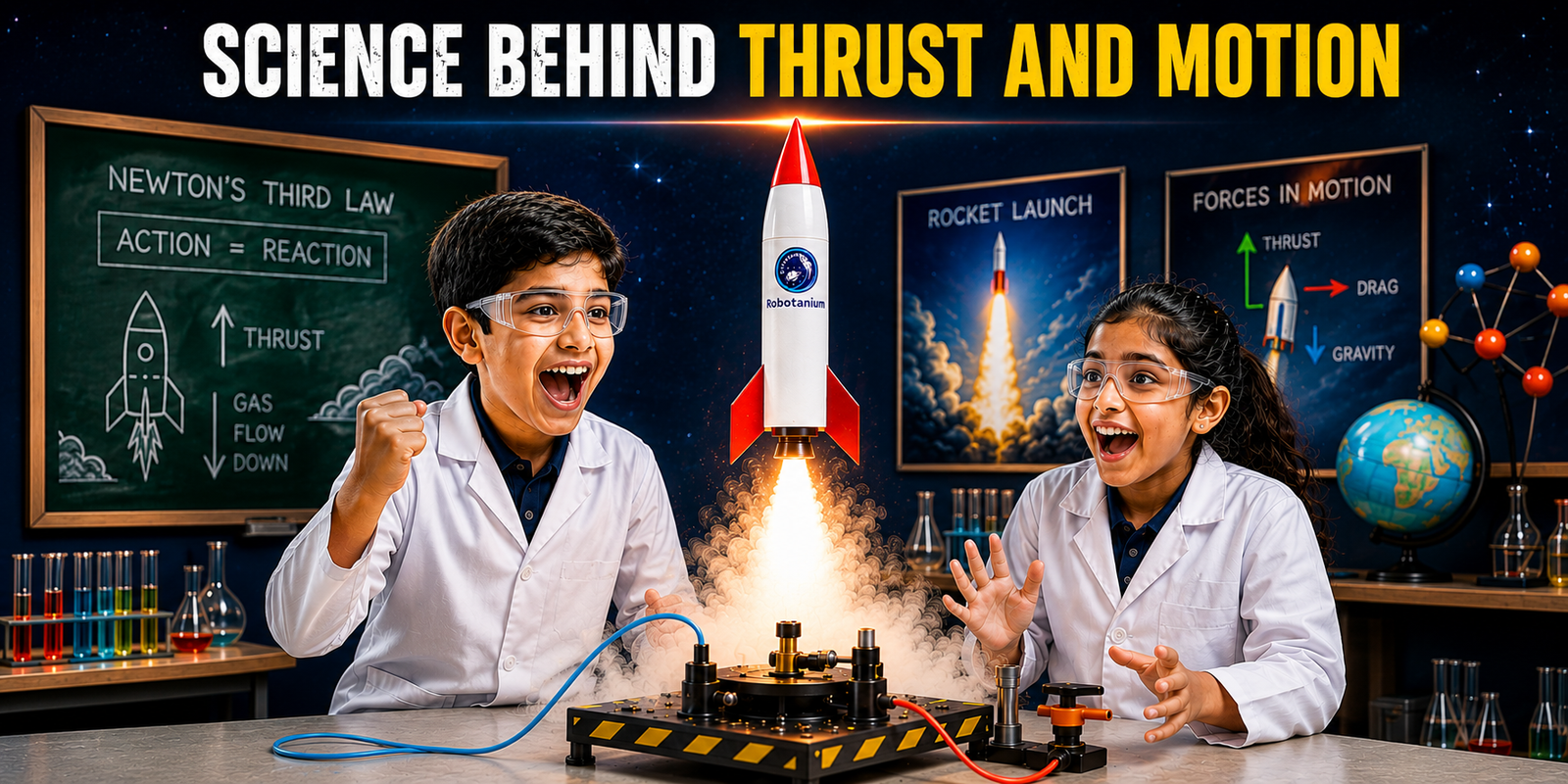
Science Behind Thrust And Motion
Students Will Understand How Action And Reaction Forces Create Thrust, Allowing Rockets To Lift Off And Travel At High Speeds, While Also Learning How These Forces Work Together In Real-World Rocket Launch Systems Through Simple Demonstrations And Engaging Visual Explanations, And The Session Further Simplifies Complex Physics Concepts Through Practical Examples, Hands-On Activities, And Interactive Learning That Make Science Easy To Grasp And Remember.
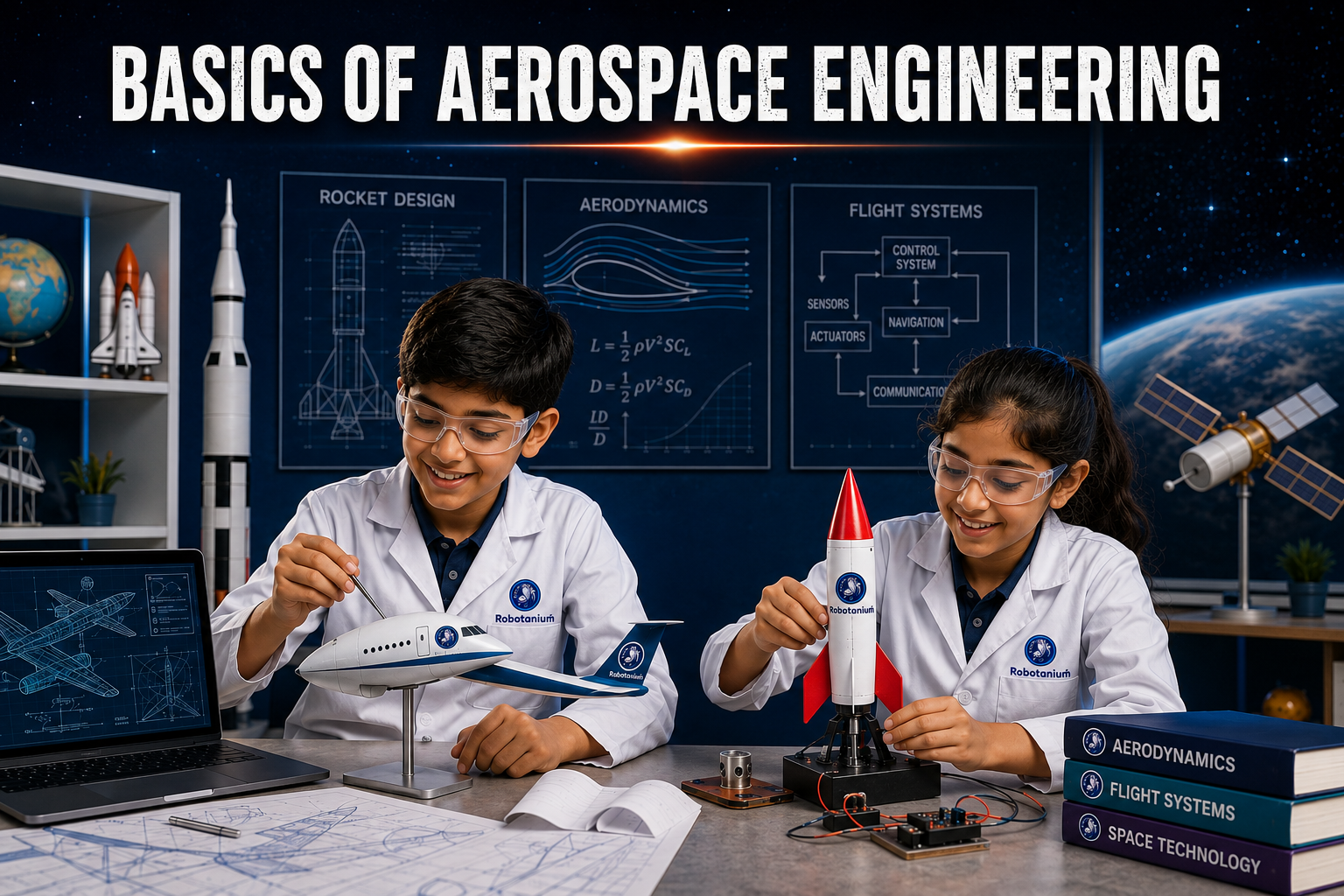
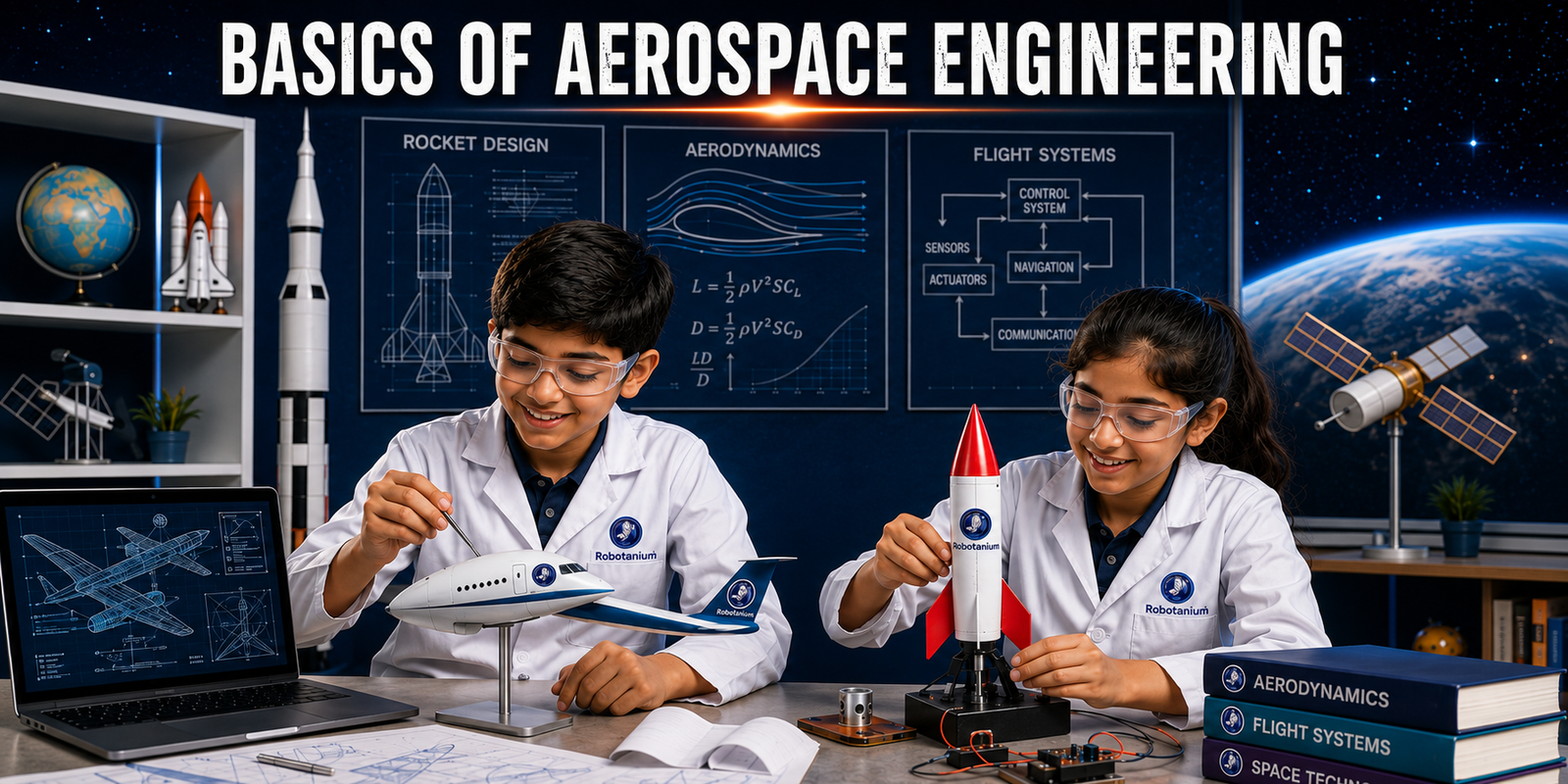
Basics Of Aerospace Engineering
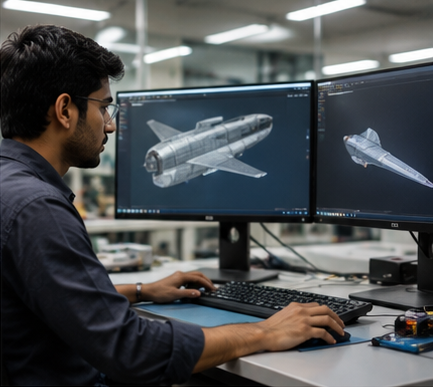
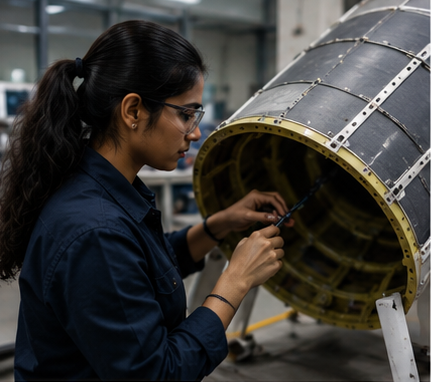
This Topic Introduces Students To The Field Of Aerospace Engineering, Covering Rocket Design, Flight Systems, Aerodynamics, And Spacecraft Development, While Helping Them Understand How Different Space Technologies Work Together To Enable Successful Missions, And It Builds Awareness Of Core Scientific Principles Behind Aircraft And Rockets, Along With How Engineers Solve Complex Challenges In Space Technology Using Innovation And Advanced Problem-Solving Methods.
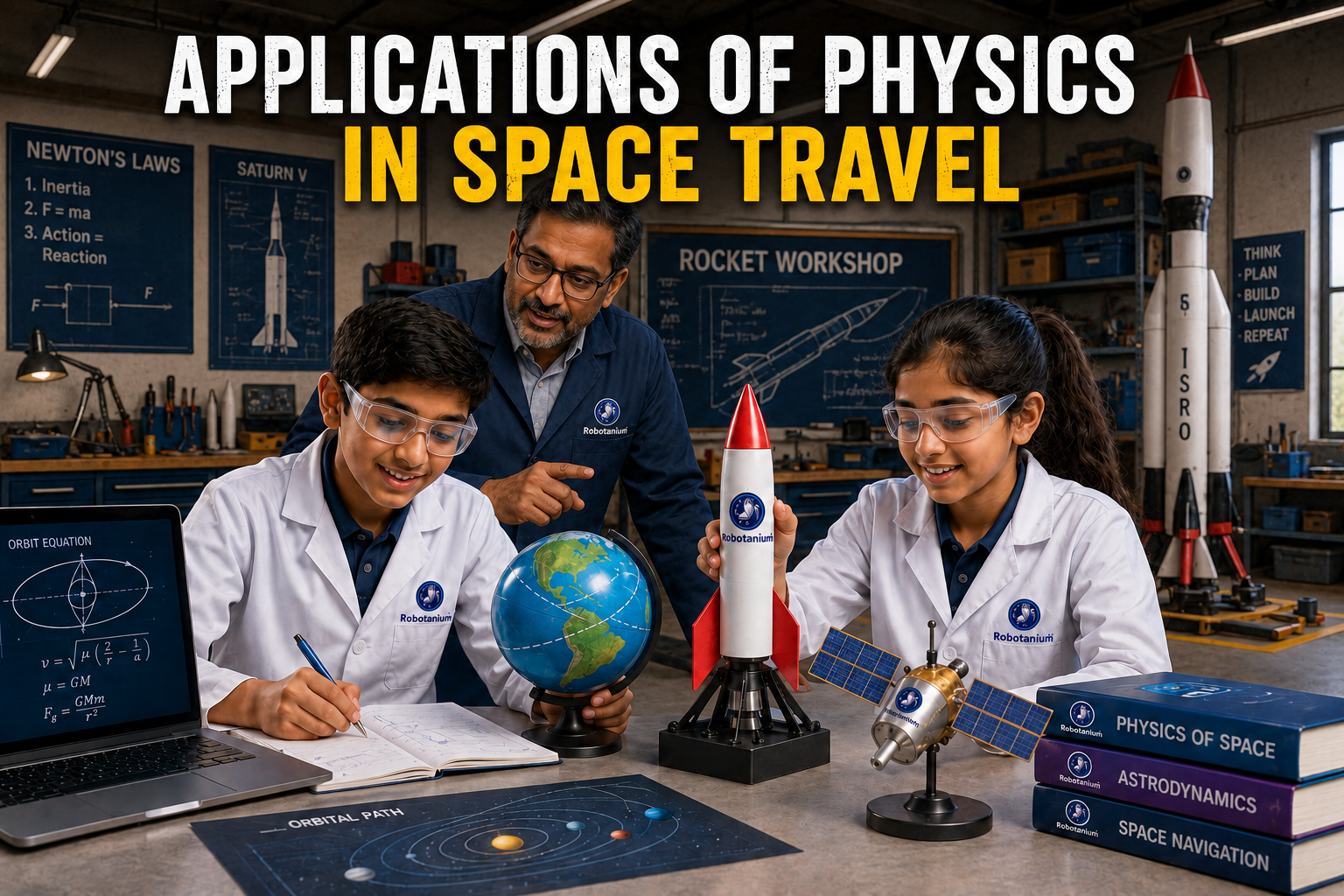
Applications Of Physics In Space Travel
Students Will Discover How Physics Plays A Major Role In Rocket Launches, Orbit Calculations, Gravity Control, And Space Navigation, While Also Understanding How These Scientific Principles Are Applied In Real Space Missions To Ensure Accuracy And Safety, And The Session Connects Classroom Science Concepts With Real-Life Space Exploration Technologies, Making Learning More Practical, Visual, And Engaging For Better Concept Clarity.
Rocket Science Learning Program Objectives


-
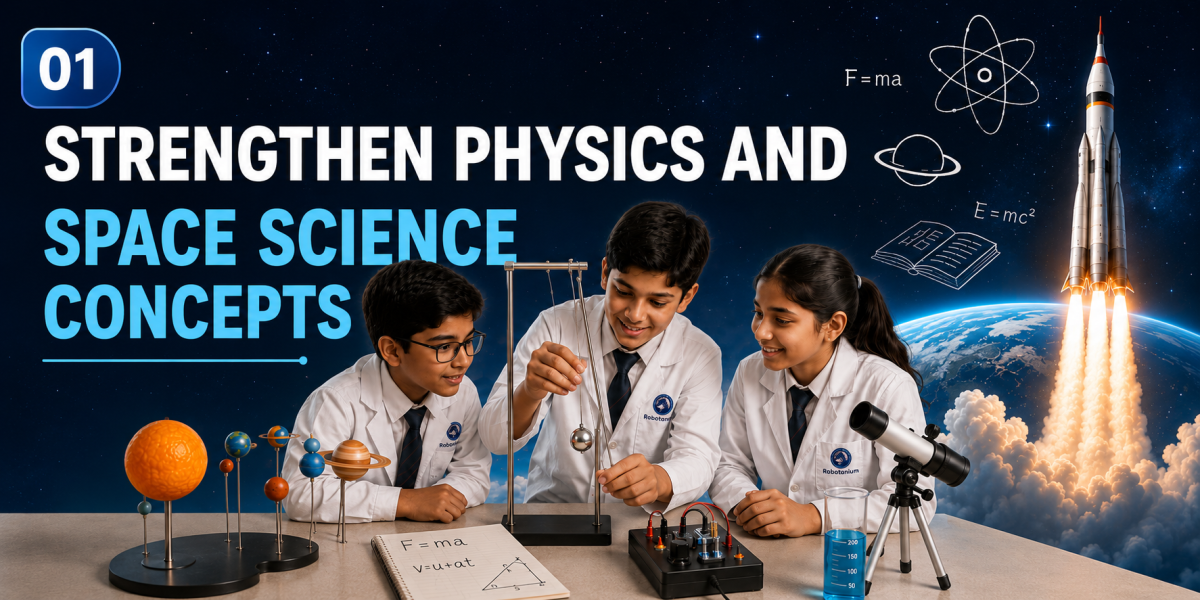
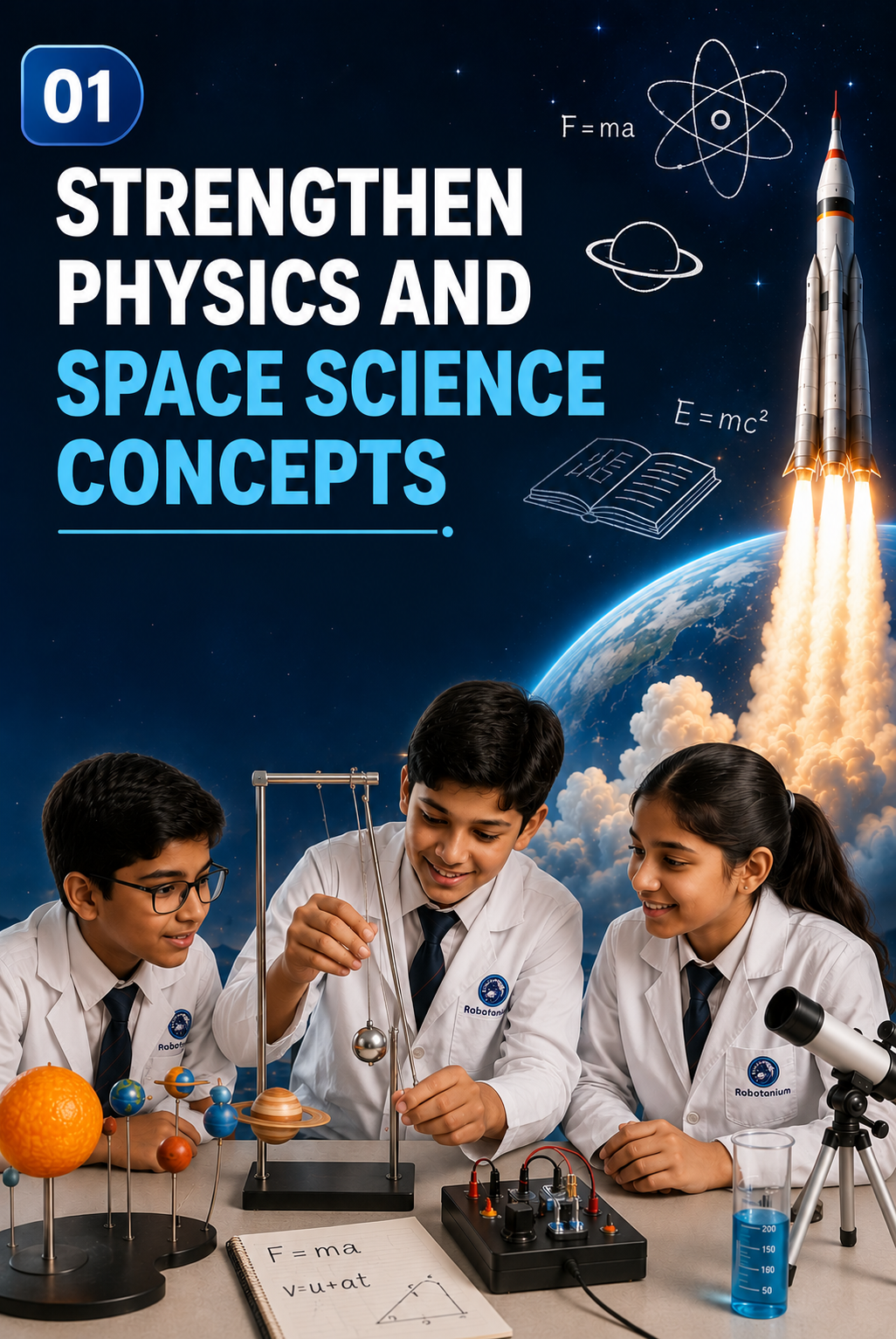
Strengthen Physics And Space Science Concepts:
The Program Helps Students Build A Strong Foundation In Physics And Space Science By Applying Theoretical Concepts Through Visual Demonstrations And Hands-On Learning Activities. -
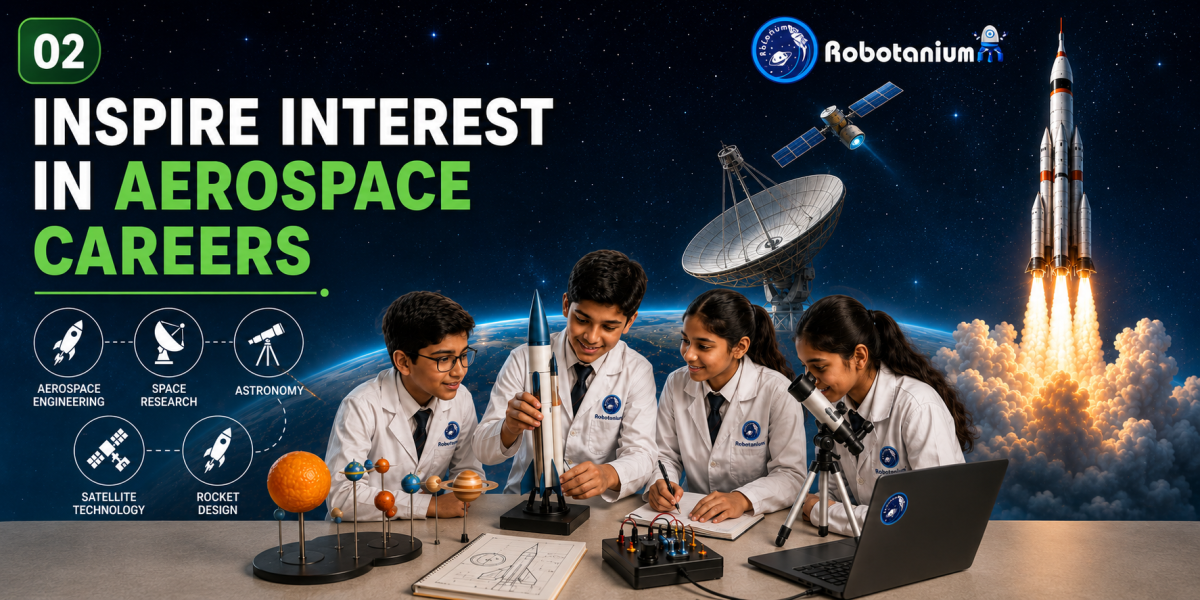
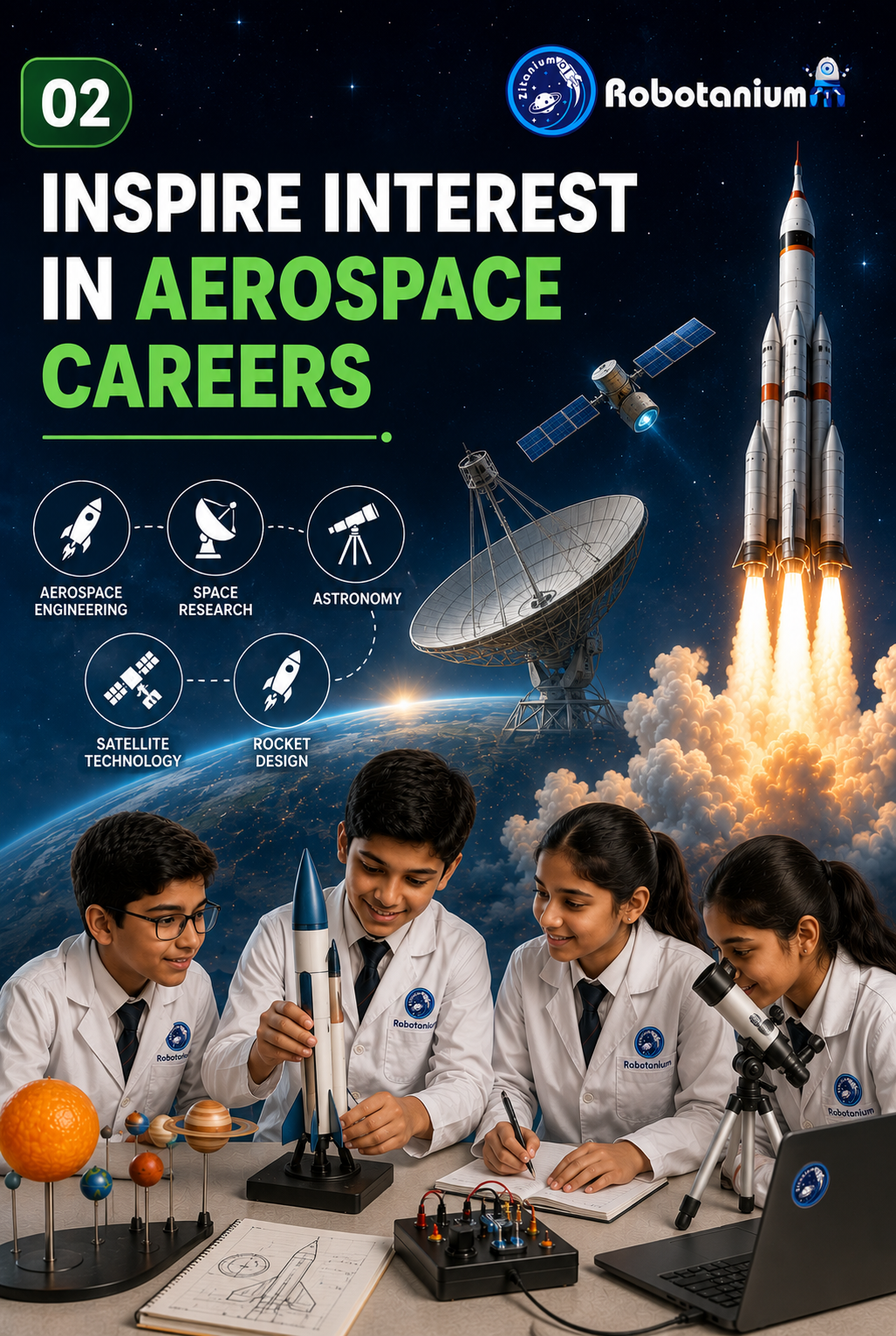
Inspire Interest In Aerospace Careers:
Students Are Introduced To Exciting Career Opportunities In Aerospace Engineering, Space Research, Astronomy, Satellite Technology, And Rocket Design To Encourage Future Innovation. -
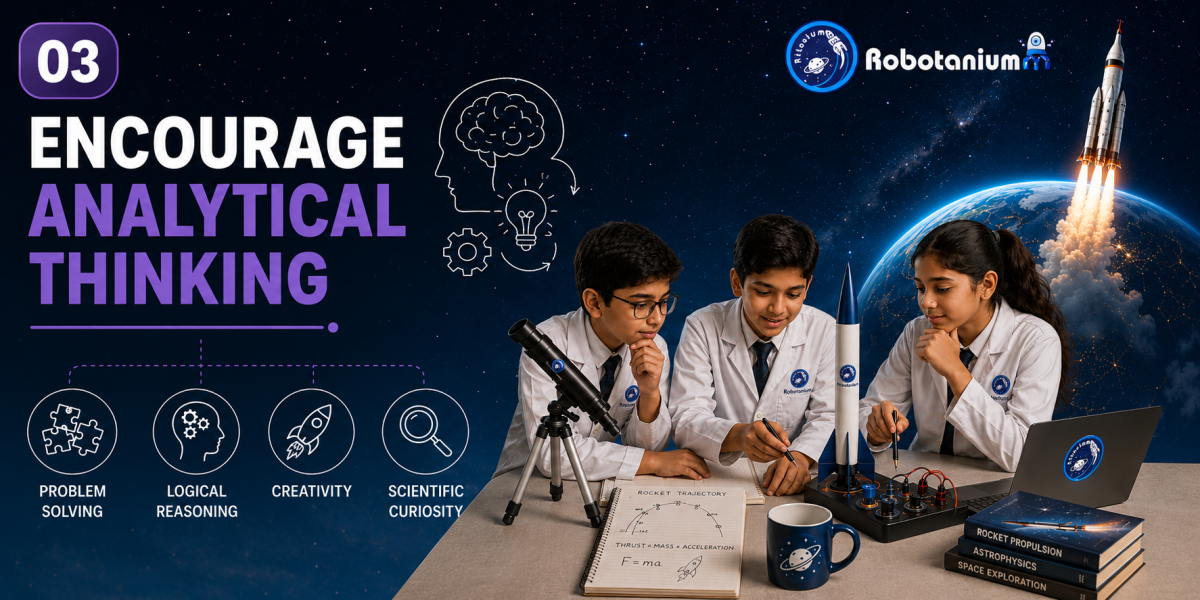
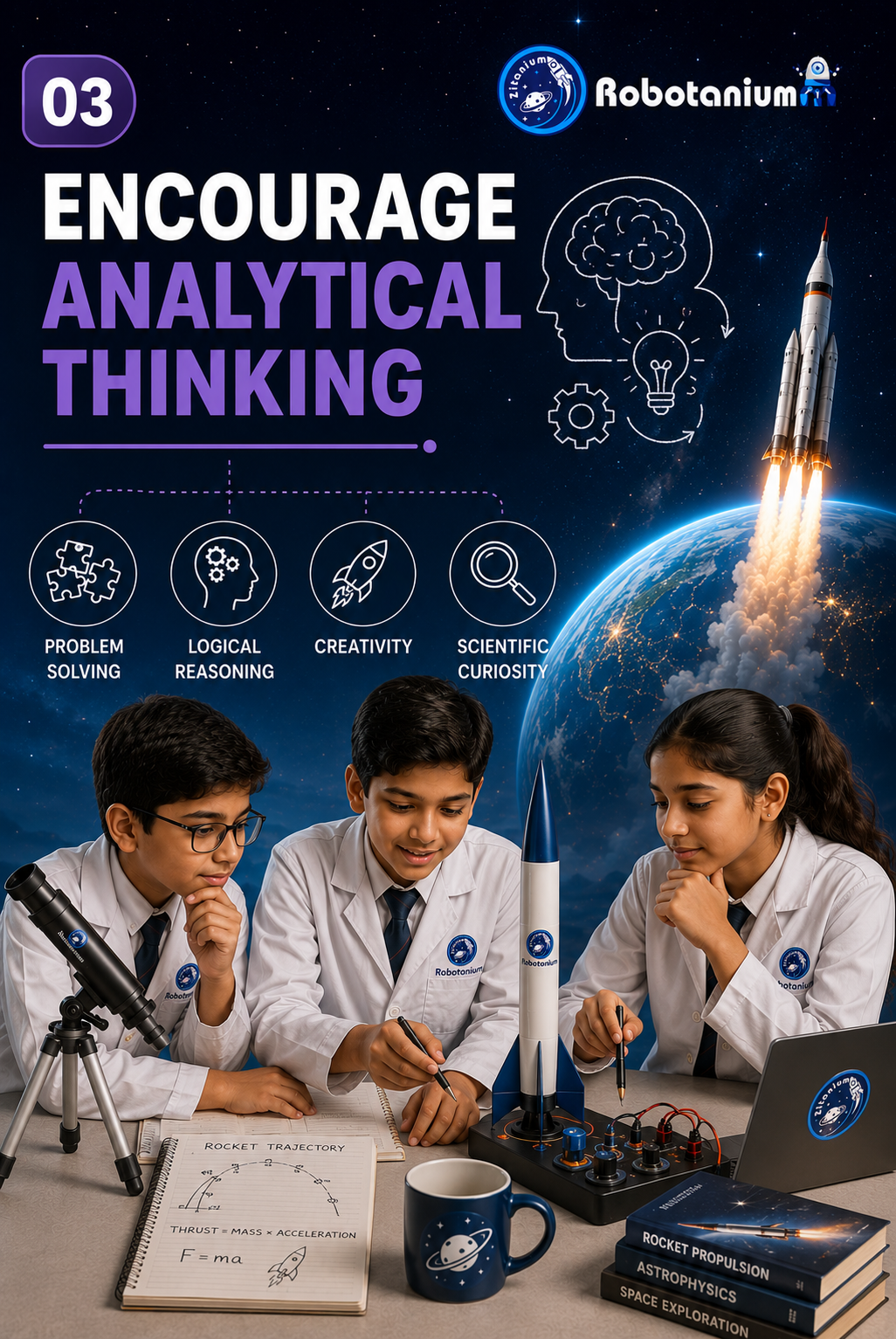
Encourage Analytical Thinking:
The Session Promotes Problem-Solving, Logical Reasoning, Creativity, And Scientific Curiosity By Challenging Students To Think Critically About Rocket Technology And Space Exploration.


Why Choose Robotanium?
Hands-On Rocket
Learning Experience
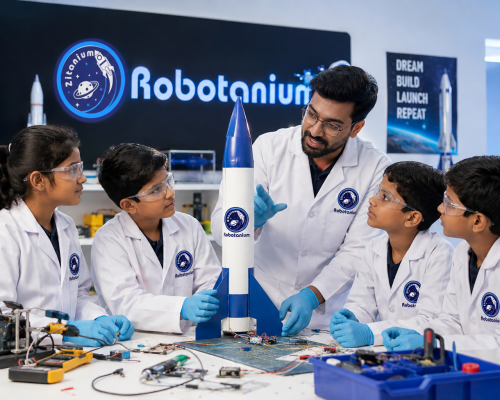
Robotanium focuses on practical, activity-based learning where students explore rockets, space science, and aerospace concepts through demonstrations, models, and interactive sessions.
Simplified Rocket
Science for Students
Complex concepts like rocket propulsion, thrust, motion, aerodynamics, and space travel are explained in an easy and engaging way suitable for different grade levels.
Industry-Relevant
STEM Education
Our programs combine Science, Technology, Engineering, and Innovation to help students understand real-world aerospace technologies and modern space missions.
Modern Learning Environment
Robotanium creates an exciting learning atmosphere with advanced educational models, aerospace demonstrations, and technology-driven teaching methods.
Experienced Mentors
and Guidance
Robotanium sessions are guided by skilled instructors who encourage curiosity, creativity, problem-solving, and scientific thinking.
Inspires Future
Innovators
We motivate students to explore careers in aerospace engineering, astronomy, robotics, satellite technology, and space research.
Strong Focus on
Concept Clarity
Students gain a deeper understanding of physics and space science concepts through visual demonstrations and practical applications.
Encourages Creativity
and Analytical Thinking
Our workshops help students develop logical reasoning, innovation, teamwork, and critical thinking skills through engaging STEM activities.
Customized for Schools and Students
Programs are tailored according to student age groups and academic levels to ensure better understanding, participation, and learning outcomes